- Home
- Slip Disc Treatment
Slip Disc Treatment in bhopal
Care for herniated discs causing back, neck or radiating limb pain.
Overview
Back pain can make everyday activities difficult. Sitting at work, walking, bending to pick something up or getting a comfortable night’s sleep may become challenging when pain persists. If the discomfort travels down your leg or into your arm, or you experience tingling, numbness or weakness, a spinal disc problem may be one possible explanation. Slip Disc Treatment in Bhopal starts with understanding what is causing your symptoms. A slipped disc, also called a herniated disc, does not always require surgery. Many people improve with appropriate nonsurgical treatment, while others may need further assessment if pain continues or a nerve is significantly affected. Dr. Harshad Patil is a neurosurgeon practising in Bhopal, Madhya Pradesh. His qualifications include MBBS, MS in General Surgery and M.Ch. in Neurosurgery. He completed his MBBS at Terna Medical College & Hospital in Navi Mumbai, his MS at Dr. Vasantrao Pawar Medical College & Hospital in Nashik, and his M.Ch. in Neurosurgery at Sri Aurobindo Medical College and PG Institute in Indore. A consultation can help patients understand their symptoms, review relevant scan reports and discuss suitable next steps. The right treatment depends on the location of the affected disc, the severity of symptoms, the clinical examination and whether a nerve is compressed.
Why Choose Dr. Harshad Patil for Slip Disc Evaluation in Bhopal?
Dr. Harshad Patil has postgraduate training in neurosurgery and qualifications in medicine and general surgery. His verified educational background includes:
- MBBS: Terna Medical College & Hospital, Navi Mumbai
- MS in General Surgery: Dr. Vasantrao Pawar Medical College & Hospital, Nashik
- M.Ch. in Neurosurgery: Sri Aurobindo Medical College and PG Institute, Indore
His supplied professional history includes neurosurgical training and clinical work in the specialty, along with research publications involving neurosurgical and spinal conditions. For a patient considering Slip Disc Treatment in Bhopal, a consultation with a neurosurgeon can help clarify whether symptoms may be related to nerve compression, whether existing imaging is relevant and which treatment options warrant consideration.
A useful consultation should help you understand:
- What may be causing your symptoms
- Whether a neurological examination or further investigation is needed
- Whether conservative treatment remains appropriate
- When a surgical opinion may be beneficial
- The potential benefits, risks and limitations of proposed treatment
- What follow-up and recovery may involve
The most suitable treatment is the one supported by the individual clinical findings. No doctor can responsibly guarantee pain relief or a particular outcome for every patient.
What Is a Slip Disc?
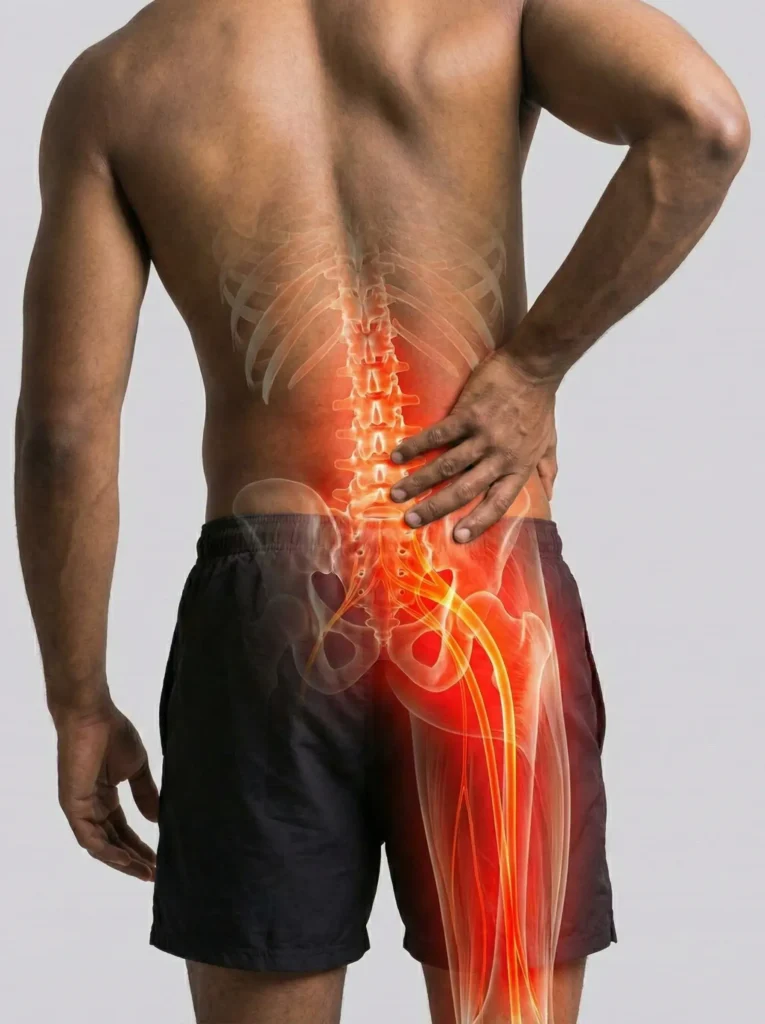
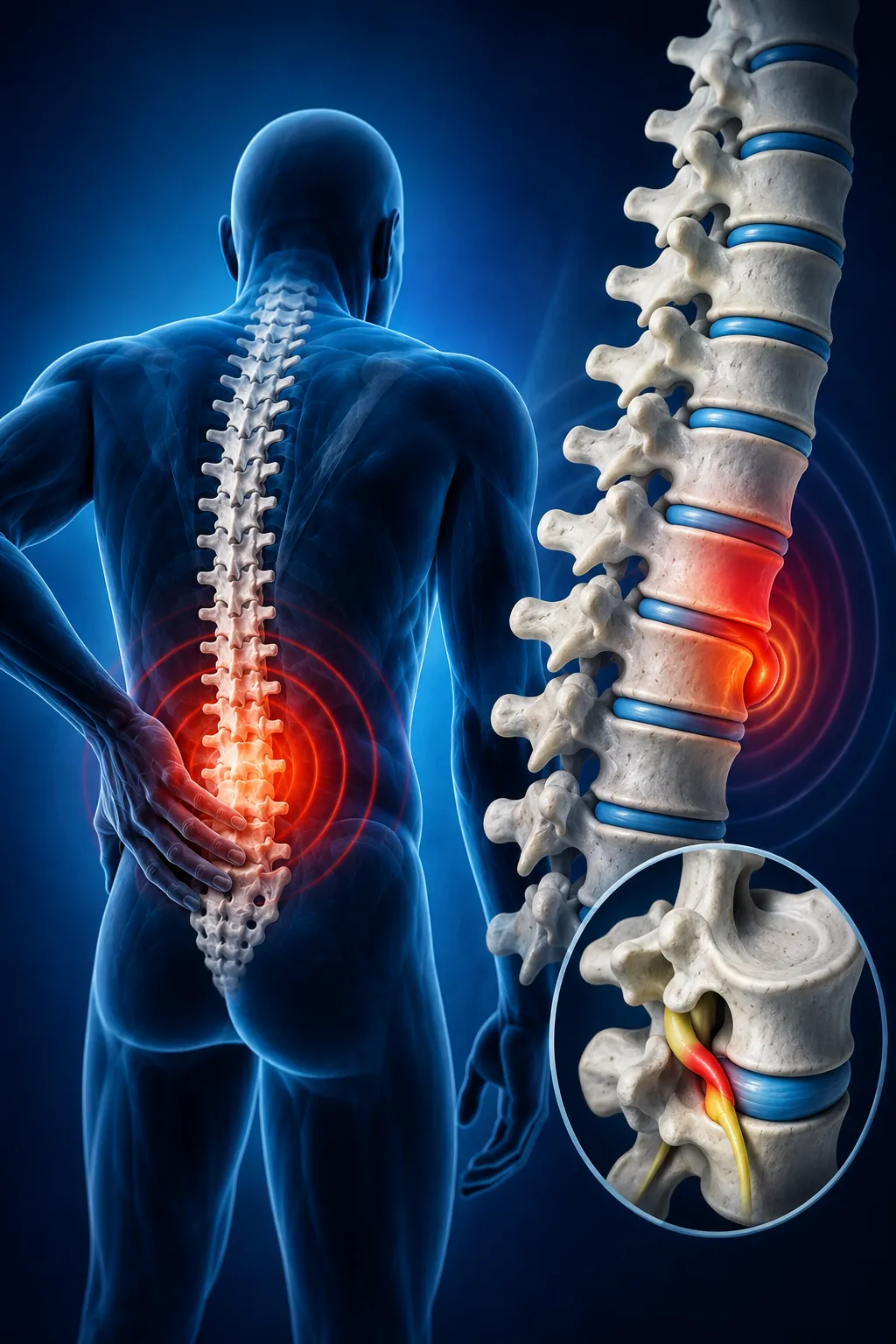
Your spine is made up of bones called vertebrae. Between these bones are soft, cushion-like discs that help absorb pressure and allow the spine to move. Each disc has a tougher outer layer and a softer centre. A Slip Disc Treatment in Bhopal occurs when disc material bulges or moves beyond its usual boundary. This is commonly called a herniated disc or prolapsed intervertebral disc. Despite the name, the entire disc does not usually slide out of position. A bulging or herniated disc may cause no symptoms at all. However, if it irritates or presses on a nearby nerve, it can lead to pain, tingling, numbness or muscle weakness.
Common Symptoms of a Slip Disc
Symptoms vary according to the location of the disc problem and whether nearby nerves are affected. Some people experience localised pain, while others develop symptoms that travel along an arm or leg.
Possible symptoms include:
- Lower back pain or neck pain
- Pain travelling into the buttock, leg, shoulder or arm
- Tingling or a pins-and-needles sensation
- Numbness in part of an arm, hand, leg or foot
- Muscle weakness
- Pain that worsens with certain movements, coughing or sneezing
- Difficulty standing, walking, sitting or completing usual daily activities
Sciatica is a term used for pain associated with irritation of the sciatic nerve or its nerve roots. It often causes pain that travels from the lower back or buttock down one leg. Not every case of sciatica is caused by a slipped disc. If symptoms persist, recur frequently or interfere with normal activities, a Slip Disc Doctor in Bhopal can help assess possible causes and determine whether further investigation is appropriate.
When symptoms require emergency care
Seek emergency medical attention if you develop:
- New difficulty controlling your bladder or bowel
- Difficulty passing urine or an inability to urinate
- Numbness around the groin, inner thighs or saddle region
- Rapidly worsening leg weakness or weakness affecting both legs
These symptoms may indicate serious nerve compression, including cauda equina syndrome, which requires urgent assessment. Do not wait for a routine appointment or attempt to manage these warning signs at home.
What Causes a Slip Disc?
A herniated disc can develop for several reasons. It is not always caused by one injury or a single incorrect movement.
Common contributing factors include:
Age-related disc changes
As people get older, spinal discs may lose some of their water content and flexibility. This can make them less able to tolerate certain loads and may increase the likelihood of disc damage.
Lifting and physical strain
Lifting a heavy object, especially with sudden twisting or awkward positioning, can sometimes trigger symptoms or contribute to a disc injury. However, many disc problems develop gradually rather than following one identifiable incident.
Repetitive activities
Repeated bending, twisting or physically demanding tasks may contribute to spinal strain in some people. The effect depends on the activity, the individual’s health and other factors.
Injury and individual risk factors
A fall, accident or other injury may contribute to a disc problem. Family history, smoking and certain occupational demands may also influence disc health or the risk of developing symptoms.
Poor posture alone does not explain every slipped disc. People who develop symptoms should not blame themselves. Understanding the cause and identifying any nerve involvement are more useful than assuming that one habit is responsible.
When Should You Consult a Slip Disc Specialist in Bhopal?
Occasional back pain can improve with time, but persistent or worsening symptoms deserve attention. Consider a medical assessment if pain continues to interfere with sleep, work, walking or other daily activities. You should also seek assessment if pain spreads into an arm or leg, or if you notice tingling, numbness or weakness. These symptoms may indicate nerve irritation and should be evaluated rather than self-diagnosed. A Slip Disc Specialist in Bhopal can assess whether your symptoms are consistent with a disc problem or whether another condition needs to be considered. Depending on the findings, you may need conservative care, imaging, specialist review or further treatment.
A consultation is especially important if:
- Your pain keeps returning or is not improving.
- Pain radiates into a limb.
- You notice changes in strength or sensation.
- You have difficulty performing routine activities.
- You have already received an MRI report and need help understanding its significance.
- A previous treatment has not provided sufficient improvement.
Seek emergency care immediately for the bladder, bowel, saddle numbness or rapidly worsening weakness symptoms described above.
When Is Slip Disc Surgery Recommended?
Surgery is not the first choice for every slipped disc. A clinician may initially recommend nonsurgical treatment when there are no urgent neurological warning signs and the condition can be managed safely without an operation.
A surgical opinion may be appropriate when:
- Pain remains disabling despite a suitable course of nonsurgical care.
- Imaging and clinical examination indicate nerve compression that matches the symptoms.
- Significant weakness or another neurological deficit requires specialist assessment.
- The symptoms substantially affect daily functioning and the expected benefits of surgery may outweigh its risks.
- An urgent condition involving severe nerve compression is suspected.
The decision should take account of the person’s symptoms, examination, imaging, overall health and preferences. An MRI finding by itself does not automatically mean surgery is necessary. A Slip Disc Surgeon in Bhopal can discuss whether an operation may help in a particular case, what alternatives remain available and what risks should be considered. The aim is to make an informed decision rather than rushing into a procedure.
Recovery After Slip Disc Treatment in Bhopal or Surgery
Recovery varies according to the severity of the disc problem, the treatment used, general health and whether nerves have been affected. People receiving nonsurgical treatment may need to adjust activities temporarily and gradually return to their usual routine as advised. Physiotherapy may form part of recovery when clinically appropriate. After an operation, the care team will provide instructions about wound care, movement, medication, activity restrictions and follow-up. The time needed to return to work, driving, lifting or exercise depends on the procedure and the individual’s recovery. Attend follow-up appointments and report symptoms that are new or getting worse. New bladder or bowel problems, numbness around the saddle region or rapidly worsening weakness require emergency assessment. Other unexpected postoperative symptoms should be discussed promptly with the treating team. Slip Disc Treatment in Bhopal
fAQ's
Frequently asked Questions❔
General information only. A consultation is needed for advice about an individual condition.
A brain tumor should be treated by a qualified neurosurgeon. Dr. Harshad Patil holds an M.Ch in Neurosurgery and has been practising as Consultant Neurosurgeon at Bansal Hospital, Bhopal, since 2017. When choosing a Brain Tumor Specialist Doctor in Bhopal, look at qualifications, experience, communication and the hospital’s support facilities.
Consider an appointment if back or neck pain persists, travels into an arm or leg, or is accompanied by tingling, numbness or weakness. Seek emergency care for new bladder or bowel problems, saddle numbness or rapidly worsening weakness.
Many people improve without surgery. Conservative care may help manage symptoms while the condition settles, but the right approach depends on the diagnosis and neurological findings. Worsening symptoms need reassessment.
Surgery may be considered when symptoms remain disabling despite appropriate nonsurgical treatment, when significant nerve compression causes neurological problems, or when urgent intervention is needed. A specialist should explain the expected benefits, risks and alternatives.
Look for a qualified clinician whose specialty and credentials are verifiable and who can assess your symptoms, examine you and review relevant imaging. Ask about the available treatment options and confirm the consultation location before visiting.
“Slip disc” is a common term for a disc that bulges or herniates beyond its usual boundary. “Herniated disc” is the more precise medical term. Neither term automatically means that surgery is required.
Recovery depends on the severity of the condition, treatment method, overall health and whether nerves are affected. Some people improve with conservative care, while recovery after surgery varies by procedure. Your treating clinician can provide guidance based on your circumstances.
Costs may vary with the procedure, investigations, anaesthesia, length of hospital stay, medicines and follow-up care. Request an itemised estimate from the relevant healthcare provider after the proposed treatment and care requirements have been clarified.