- Home
- Cerebral Hemorrhage Treatment
Cerebral Hemorrhage Treatment in bhopal
Care for bleeding within the brain tissue itself.
Overview
Cerebral hemorrhage refers to bleeding in or around the brain. It can occur when a blood vessel ruptures or leaks, allowing blood to collect in areas where it can damage brain tissue or increase pressure inside the skull. Depending on the location and severity, brain bleeding can cause serious complications and may become life-threatening. Cerebral Hemorrhage Treatment in Bhopal depends on the cause of bleeding, its location and severity, the patient’s neurological condition, imaging findings, and overall health. Some cases require emergency procedures, while others may be managed with close monitoring and medical treatment. Prompt diagnosis is essential to help the medical team decide on the appropriate next steps.
Dr. Harshad Patil is a neurosurgeon practising in Bhopal, Madhya Pradesh. He holds an MBBS from Terna Medical College & Hospital, Navi Mumbai, an MS in General Surgery from Dr. Vasantrao Pawar Medical College & Hospital, Nashik, and an M.Ch. in Neurosurgery from Sri Aurobindo Medical College and PG Institute, Indore. A neurosurgical consultation after initial emergency assessment may help patients and families understand investigation reports, discuss treatment considerations, and plan follow-up care.
Emergency warning: A sudden severe headache, new weakness, difficulty speaking, seizure, collapse, or reduced consciousness may indicate acute brain bleeding. Call India’s emergency number 112 or seek immediate emergency medical care. Do not wait for a routine appointment.
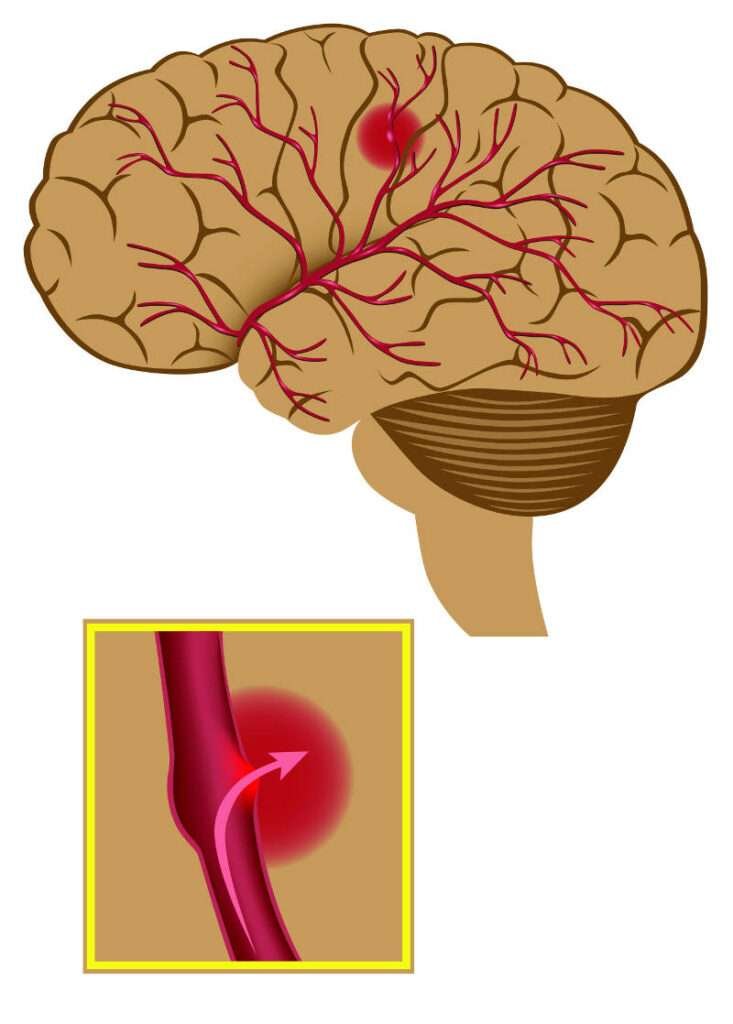
What Is Cerebral Hemorrhage?
Cerebral hemorrhage means bleeding in or around the brain. Normally, blood travels through blood vessels that supply oxygen and nutrients to brain tissue. When a vessel breaks or leaks, blood can escape into surrounding tissue or spaces around the brain. This bleeding can cause damage in several ways. Blood may directly injure brain tissue, interrupt normal blood supply, or increase pressure inside the skull. The effects depend on how much bleeding occurs, where it happens, how quickly it develops, and the patient’s overall health.
The term cerebral hemorrhage covers different types of bleeding. These conditions do not all have the same cause or require the same treatment. Some may need urgent surgery or another procedure, while others may be managed through close observation and medical treatment. Early emergency assessment helps doctors identify the type of bleeding and determine whether an intervention is needed. Patients who have already received emergency care may benefit from further discussion of their diagnosis and recommended follow-up.
Types of Cerebral Hemorrhage?
Understanding the location of bleeding helps explain why treatment varies between patients.
Intracerebral hemorrhage
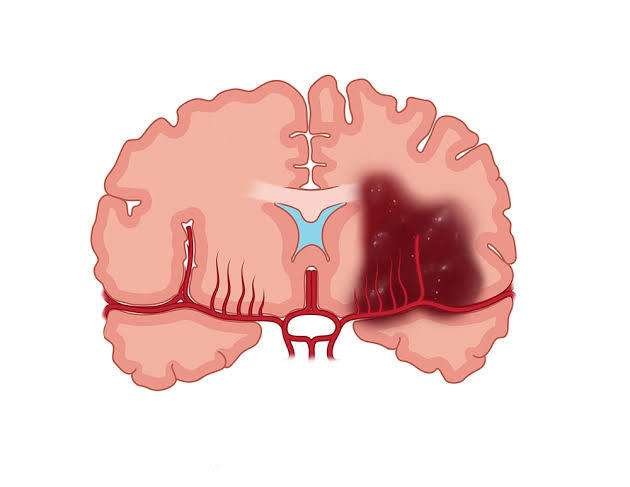
An intracerebral hemorrhage occurs when blood leaks directly into brain tissue. High blood pressure and certain blood vessel abnormalities can contribute to this type of bleeding. Its effects depend on the amount of blood, the brain region involved, and whether pressure builds up around the affected area.
Subarachnoid hemorrhage
A subarachnoid hemorrhage occurs when blood enters the space surrounding the brain. A ruptured cerebral aneurysm is one possible cause. Sudden, extremely severe headache may be a warning sign and requires immediate emergency assessment.
Subdural hematoma
A subdural hematoma is a collection of blood between the brain's outer covering and the brain surface. It often follows a head injury. Symptoms may develop rapidly or gradually, depending on the circumstances.
Epidural hematoma
An epidural hematoma is a collection of blood between the skull and the outer covering of the brain. It is commonly associated with head trauma and may require urgent assessment and treatment.
These conditions differ in their causes, imaging findings, and management. The emergency team determines the type of bleeding and the appropriate course of care.
Causes and Risk Factors
The causes of cerebral hemorrhage vary according to the type and location of bleeding. Possible contributing factors include:
- High blood pressure: Persistently elevated blood pressure can weaken or damage small blood vessels and contribute to some types of brain bleeding.
- Head injury: Trauma may cause blood vessels to rupture and lead to a collection of blood around the brain.
- Cerebral aneurysm: A weakened area of an artery may rupture and cause bleeding around the brain.
- Abnormal blood vessels: Certain vascular abnormalities can increase the risk of bleeding.
- Blood-thinning medicines: Anticoagulant medicines can affect clotting and may influence bleeding risk or treatment decisions.
- Bleeding disorders: Some medical conditions affect the body’s ability to form clots normally.
- Other medical conditions: The patient’s medical history and overall health may influence the risk and management of bleeding.
Not every case has the same cause, and some events occur without an obvious warning. Patients and families should tell the emergency team about existing medical conditions, recent injuries, previous neurological problems, and all medicines being taken. Do not independently stop prescribed medicines without medical advice.
How Is Cerebral Hemorrhage Diagnosed?
Suspected brain bleeding requires urgent clinical assessment in an appropriate emergency setting. Doctors review symptoms, medical history, neurological function, and imaging findings to understand the problem.
Neurological examination
The medical team may assess alertness, speech, movement, sensation, vision, balance, and other neurological functions. These findings help determine the urgency of treatment and whether symptoms are changing.
CT scan of the head
A CT scan is commonly used during emergency assessment because it can identify many forms of acute bleeding quickly. It can also show the location of a blood collection and whether there are signs of pressure affecting the brain.
MRI and vascular imaging
MRI may provide additional detail in selected situations. CT angiography or other vascular imaging may be used when the medical team needs to investigate a possible aneurysm or another abnormality of the blood vessels.
Blood tests
Blood tests may help assess clotting, blood counts, and other medical factors that influence treatment decisions. The tests selected depend on the patient’s condition. The emergency team decides which investigations are appropriate. Patients should not delay emergency assessment to arrange an elective scan independently. When discussing Cerebral Hemorrhage Treatment in Bhopal, patients and families can ask the treating team what the scans show, what may have caused the bleeding, and whether additional investigations or specialist review are needed.
Treatment Options for Cerebral Hemorrhage
Treatment depends on the cause, location, severity, neurological condition, imaging findings, and overall health. The immediate priority is to stabilise the patient and prevent further harm.
Emergency stabilisation and monitoring
Hospital-based care may involve monitoring breathing, circulation, consciousness, and neurological function. The medical team may provide supportive treatment and repeat examinations or imaging when needed.
Blood pressure management
When blood pressure is contributing to the risk or progression of bleeding, the treating team may manage it carefully. The appropriate approach depends on the type of hemorrhage and the patient’s clinical condition.
Reviewing medicines and clotting
If a patient takes anticoagulants or has a bleeding disorder, the medical team will assess whether this affects treatment. Medicines may need specific management under medical supervision. Patients should not change or stop prescribed medication on their own.
Managing pressure inside the skull
Some cases involve increased pressure inside the skull. The medical team determines whether monitoring, medication, or a procedure is required based on the clinical findings.
Treating the underlying cause
If bleeding is linked to an aneurysm or another blood vessel abnormality, additional investigations and specialist treatment may be considered. The approach depends on the source of bleeding and the patient’s condition.
Cerebral Hemorrhage Treatment in Bhopal should always be guided by the findings of the responsible medical team. Not every hemorrhage requires surgery, and treatment decisions must be individualised.
When Might Cerebral Hemorrhage Surgery Be Considered?
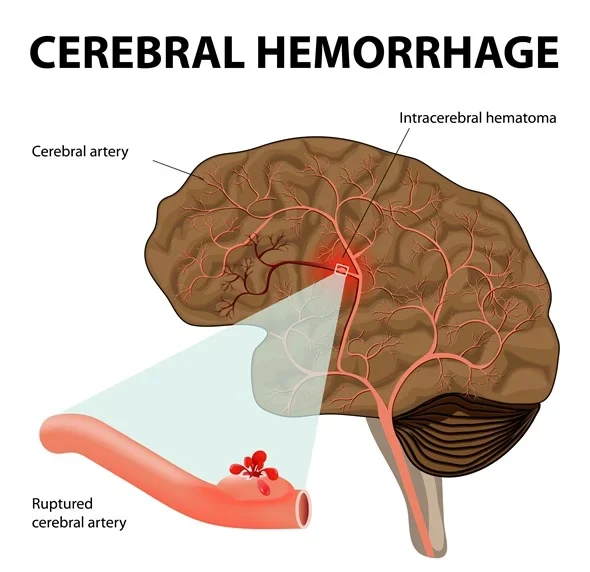
Surgery or another specialist procedure may be considered in selected cases. The decision depends on the type of bleeding, its location and size, pressure effects, underlying cause, imaging results, and the patient’s neurological condition. Possible aims of a procedure include removing a blood collection that is causing harmful pressure, relieving pressure inside the skull, or treating a source of bleeding. In some cases, a vascular procedure rather than open surgery may be appropriate.
A Cerebral Hemorrhage Surgeon in Bhopal may assess the clinical and imaging findings to determine whether a procedure should be considered. Patients and families should ask why an intervention is recommended, what alternatives exist, and what risks are associated with the proposed approach. Not every patient benefits from surgery. Some cases may require close monitoring and medical management, while others need urgent intervention. The decision must be made by the responsible medical team in the appropriate care setting.
Cerebral Hemorrhage Surgery in Bhopal is not a single procedure suitable for every type of bleeding. The treatment plan depends on the individual diagnosis, and no procedure can guarantee a particular outcome or complete recovery.
fAQ's
Frequently asked Questions❔
General information only. A consultation is needed for advice about an individual condition.
Cerebral hemorrhage is bleeding in or around the brain. It can damage brain tissue, interrupt normal function, or increase pressure inside the skull. Suspected acute bleeding requires immediate emergency medical assessment.
Cerebral Hemorrhage Treatment in Bhopal depends on the cause and location of bleeding, its severity, imaging findings, and the patient's condition. Treatment may involve hospital monitoring, medical management, surgery, or another procedure in selected cases.
For non-emergency enquiries or follow-up after emergency care, contact Dr. Harshad Patil on +91 75540 86000 to ask about routine consultation arrangements. A Cerebral Hemorrhage Doctor in Bhopal can discuss available reports and questions about the next steps. Suspected acute bleeding requires emergency care instead.
Ask about the type and location of bleeding, possible causes, scan results, treatment options, potential complications, and recommended follow-up. A Cerebral Hemorrhage Specialist in Bhopal should explain how the findings affect the proposed plan.
The assessment may include the type, size, and location of the hemorrhage, pressure effects, imaging findings, neurological condition, and overall health. A Cerebral Hemorrhage Surgeon in Bhopal can explain why surgery may or may not be appropriate and discuss relevant alternatives.
Cerebral Hemorrhage Surgery in Bhopal may be considered when a blood collection causes harmful pressure or when a procedure is needed to address a particular source of bleeding. The decision depends on the diagnosis, clinical findings, and the risks and benefits of intervention.
Families can ask about investigation results, the purpose of treatment, possible complications, recovery needs, rehabilitation, and follow-up. A Cerebral Hemorrhage Treatment Specialist in Bhopal can help clarify the care plan and questions to raise with the responsible medical team.
No. Some cases may be managed with close monitoring and medical treatment, while others require surgery or another procedure. The appropriate approach depends on the type and severity of bleeding, the patient's condition, and imaging findings.