- Home
- Spinal Fusion Surgery
Spinal Fusion Surgery in bhopal
Joining two or more vertebrae to stabilise the spine when appropriate.
Overview
Persistent back or neck pain can affect your ability to walk, sit, work and sleep comfortably. When a structural problem makes part of the spine unstable, a specialist may consider different treatment options, including Spinal Fusion Surgery in Bhopal, if the clinical findings support it. Spinal fusion is an operation that joins two or more vertebrae to stabilize a selected section of the spine. It may be considered for certain cases of spinal instability, spondylolisthesis, deformity or other structural conditions. However, not everyone with back pain, a slipped disc or age-related spinal changes needs this operation.
Dr. Harshad Patil is a neurosurgeon practising in Bhopal, Madhya Pradesh. He holds MBBS, MS in General Surgery and M.Ch. in Neurosurgery qualifications. He completed his MBBS at Terna Medical College & Hospital in Navi Mumbai, his MS at Dr. Vasantrao Pawar Medical College & Hospital in Nashik, and his M.Ch. in Neurosurgery at Sri Aurobindo Medical College and PG Institute in Indore. A consultation with Dr. Harshad Patil can help patients understand their symptoms, review available scan reports and discuss appropriate next steps. The decision to recommend spinal fusion should be based on the diagnosis, physical examination, imaging findings, previous treatment and overall health.
Brain Tumor & Brain Surgery
Discuss this with the clinic
We bring the right people together to challenge established thinking and drive transform in 2020
Understanding Spinal Brain Tumor Treatment in Bhopal?
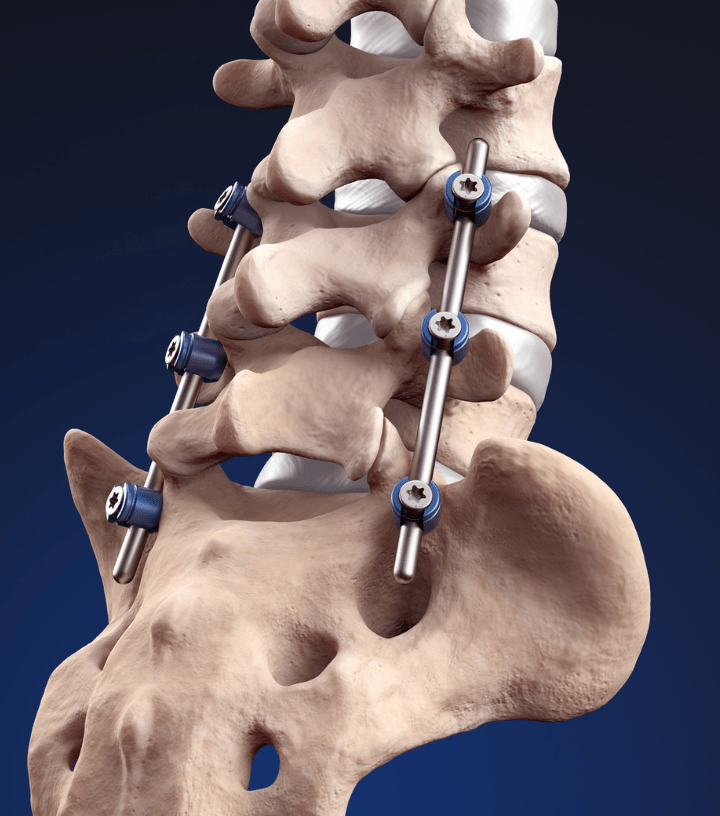
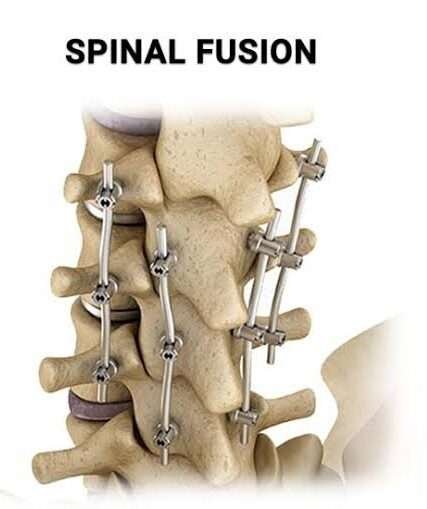
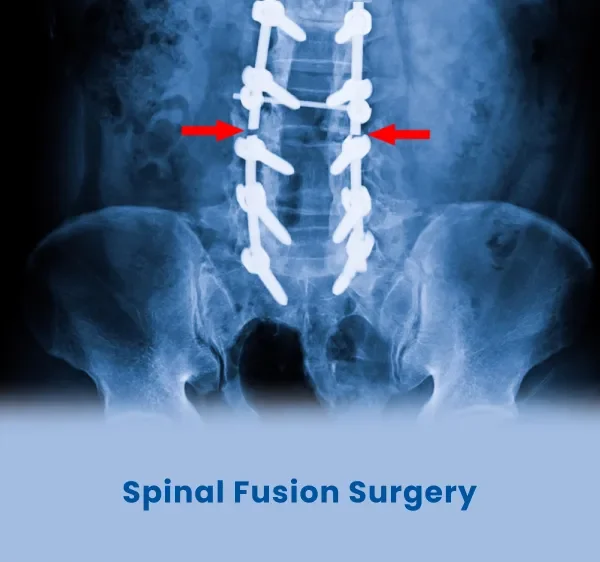
The spine is made up of small bones called vertebrae. Between these bones are intervertebral discs that cushion movement and help distribute pressure. Joints, ligaments and muscles also contribute to the spine’s stability. During spinal fusion, a surgeon aims to join two or more vertebrae so they gradually heal into one stable section. Bone graft material may be used, and screws, rods, plates or other implants may help maintain alignment while healing takes place. Fusion is different from a discectomy, which removes problematic disc material to relieve pressure on a nerve. In selected cases, decompression and fusion may be performed together when a patient has both nerve compression and spinal instability. The purpose of Spinal Fusion Surgery in Bhopal is to address a specific structural problem rather than every episode of back or neck pain. Because fusion reduces movement at the treated level, the potential benefits, limitations and risks should be explained before a patient makes a decision.
Conditions That May Require Spinal Fusion Treatment in Bhopal
Spinal fusion may be considered for selected spinal conditions. The suitability of the procedure depends on the diagnosis, severity of symptoms, imaging findings and response to previous treatment.
Spinal instability
Spinal instability occurs when a section of the spine does not maintain the expected stability during movement or under normal loads. In selected cases, fusion may help stabilize the affected segment.
Degenerative disc disease
Age-related changes can affect the discs and joints of the spine. Some people have degenerative changes on scans without experiencing pain, so imaging alone is not enough to justify surgery. Fusion may be considered in selected cases when symptoms and clinical findings support the decision.
Spondylolisthesis
Spondylolisthesis occurs when one vertebra shifts relative to another. Depending on the degree of movement, symptoms and nerve involvement, stabilization may be considered.
Spinal deformity or structural injury
Certain spinal deformities, fractures and other structural problems may require stabilization. Treatment depends on the type of condition, its severity and the person's overall health.
Decompression with stabilization
Some patients require surgery to relieve pressure on nerves. If the affected spinal segment is also unstable, the treating surgeon may consider combining decompression with fusion.
A Spinal Fusion Specialist in Bhopal can help explain whether the diagnosis supports stabilization surgery or whether another approach may be more appropriate. Patients considering Spinal Fusion Treatment in Bhopal should understand that fusion is not a routine solution for every slipped disc or episode of back pain.
Common Symptoms and When to Seek a Spine Evaluation
Symptoms associated with spinal conditions vary depending on the affected region and whether nerves are involved.
Possible symptoms include:
- Persistent lower back or neck pain
- Pain spreading into the buttock, leg, shoulder or arm
- Tingling or numbness in the limbs
- Muscle weakness
- Difficulty standing, walking or completing everyday activities
- Pain that worsens with certain movements or positions
- Symptoms following a spinal injury or associated with a known structural condition
These symptoms can have several causes and do not automatically indicate spinal instability or a need for fusion. Consider a medical assessment if pain persists, repeatedly returns, limits normal activities or occurs alongside numbness, tingling or weakness. A Spine Surgeon in Bhopal can assess whether your symptoms suggest a spinal condition that requires further investigation. Seek emergency medical care if you develop new loss of bladder or bowel control, difficulty passing urine, numbness around the groin or saddle region, or rapidly worsening leg weakness. These symptoms may indicate serious nerve compression and should not wait for a routine appointment. A Spinal Fusion Doctor in Bhopal can help clarify whether a specialist assessment is appropriate, but the need for surgery can only be determined after an individual clinical evaluation.
Diagnosis and Assessment Before Spinal Fusion Surgery
Before an operation is considered, the clinician needs to understand what is causing the symptoms and whether fusion is likely to help. Assessment usually involves medical history, physical examination and appropriate investigations.
Medical history and physical examination
The doctor may ask when symptoms began, how they affect daily activities and whether pain travels into the arms or legs. Previous injuries, medical conditions, current medication and earlier treatments may also be relevant. A physical and neurological examination may assess movement, posture, muscle strength, sensation, reflexes and walking. These findings help identify possible nerve involvement and guide further investigation.
MRI, X-rays and CT scans
Different imaging tests provide different information:
- MRI: Helps show discs, nerves and other soft tissues.
- X-rays: Can help assess bone alignment and movement in selected circumstances.
- CT scans: Provide detailed images of bone and may assist with assessment or surgical planning.
Not every patient needs every test. The investigations depend on the suspected condition, symptoms, existing records and proposed treatment.
Preoperative assessment
If surgery is being considered, the clinical team may review general health, current medication and anaesthesia-related considerations. Additional investigations may be needed depending on the patient’s condition and the proposed procedure. Spinal Fusion Surgery in Bhopal should be discussed after the clinician has considered the findings as a whole. A scan may show changes that are not responsible for a person’s pain, so treatment decisions should not be based on imaging alone.
Spinal Fusion Treatment in Bhopal
Treatment should be tailored to the diagnosis, severity of symptoms, functional limitations and clinical findings. Fusion is generally considered when there is a specific reason to stabilize the spine, rather than simply because pain has lasted a long time.
Nonsurgical treatment options
Depending on the condition, options may include:
- Adjusting activities that aggravate symptoms
- Clinician-guided medication
- Physiotherapy and rehabilitation
- Individualized exercise guidance
- Monitoring and follow-up appointments
- Other treatments recommended after clinical assessment
Conservative care may help manage symptoms, improve movement and support everyday function. Not every approach is suitable for every patient, and medication should be used according to professional advice.
When surgery may be discussed
A surgical opinion may be appropriate when symptoms remain significantly limiting despite suitable nonsurgical care, when instability requires correction or when another structural problem makes an operation reasonable. A Spinal Fusion Surgery Specialist in Bhopal should explain why fusion is being considered, what alternatives exist and what the potential benefits and limitations are. Some patients may benefit from a different procedure, while others may not need surgery. The decision about Spinal Fusion Treatment in Bhopal should be made through an informed discussion between the patient and treating clinician, taking account of the expected benefits, possible complications and available alternatives.
Types of Spinal Fusion Surgery
The approach depends on the spinal level, the condition being treated, the patient’s anatomy and the surgeon’s assessment. The following are general medical descriptions and do not confirm that every procedure is offered by a particular clinician.
Lumbar spinal fusion
Lumbar fusion joins selected vertebrae in the lower back. It may be considered for certain cases of spinal instability, spondylolisthesis or other structural problems.
Cervical spinal fusion
Cervical fusion stabilizes selected vertebrae in the neck. It may be considered for certain conditions affecting the cervical spine when clinical findings support stabilization.
Anterior and posterior approaches
An anterior approach reaches the spine from the front of the body, while a posterior approach reaches it from the back. The appropriate route depends on the condition, spinal level and treatment plan.
Selected minimally invasive techniques
Some procedures use minimally invasive approaches with smaller incisions and specialized instruments. These techniques are not suitable for every patient and are not automatically better for every condition.
Spine Fusion Surgery in Bhopal should be planned around the diagnosis and the potential benefits and risks of the selected procedure. Patients should ask which approach is being considered, why it may be suitable and what recovery could involve.
Recovery After Spinal Fusion Surgery
Recovery varies with the spinal region, number of levels fused, type of procedure, general health and individual healing. There is no single recovery timeline that applies to everyone.
Early recovery : After surgery, the clinical team may monitor pain, movement, wound healing and neurological function. The length of hospital observation and the support required after discharge depend on the procedure and the person’s condition. Patients should follow instructions about medication, wound care, movement and activity. They should not resume heavy lifting or strenuous exercise until their treating team advises that it is appropriate.
Rehabilitation and bone healing: After surgery, the clinical team may monitor pain, movement, wound healing and neurological function. The length of hospital observation and the support required after discharge depend on the procedure and the person’s condition. Patients should follow instructions about medication, wound care, movement and activity. They should not resume heavy lifting or strenuous exercise until their treating team advises that it is appropriate.
Follow-up care: Appointments allow the treating team to assess recovery, review symptoms and determine whether further imaging is needed. Contact the clinical team if symptoms worsen or unexpected problems develop. Severe new weakness, saddle numbness or new bladder or bowel dysfunction requires emergency medical attention. When discussing Spinal Fusion Surgery in Bhopal, ask about the follow-up plan, activity restrictions and the factors that may affect your individual recovery.
Spinal Fusion Consultation in Bhopal
A consultation is an opportunity to understand your diagnosis and discuss suitable treatment options. If you have been advised to consider fusion, ask whether surgery is necessary, whether alternatives remain available and what the procedure would aim to achieve.
Bring the following information, where available:
- Previous MRI, CT or X-ray reports and images
- Relevant medical records
- Current prescriptions and a list of medications
- Details of previous treatment and its effects
- A brief history of symptoms and how they affect daily life
- Questions about surgery, risks, recovery and alternatives
Patients travelling from Arera Colony, Shahpura, MP Nagar, Kolar Road or Hoshangabad Road should confirm the consultation venue before travelling. These localities are included for regional relevance; they are not confirmed clinic locations.
fAQ's
Frequently asked Questions❔
General information only. A consultation is needed for advice about an individual condition.
Spinal fusion joins two or more vertebrae to stabilize a selected part of the spine. It may be considered for certain cases of spinal instability, spondylolisthesis, deformity or other structural conditions. It is not required for everyone with back or neck pain.
Consider a consultation if you have persistent spinal symptoms, a diagnosed structural condition or have been advised to consider stabilization surgery. A specialist can review your symptoms, examination findings and imaging to discuss suitable options.
Some people with spinal instability, selected degenerative conditions, certain deformities or structural injuries may be considered for fusion. The decision depends on the diagnosis, symptoms, imaging and response to previous treatment.
No. Many causes of back pain do not require spinal fusion. Treatment may include activity modification, physiotherapy, clinician-guided medication and monitoring. Fusion is considered only when the clinical findings support it.
Cervical fusion stabilizes a selected section of the neck, while lumbar fusion stabilizes a section of the lower back. The reasons for surgery, approach and recovery considerations differ according to the condition and spinal level.
Costs may depend on the procedure, number of spinal levels, investigations, implants, anaesthesia, hospital stay, medicines and follow-up care. Request an itemized estimate from the relevant healthcare provider after the proposed treatment plan is clear.
Recovery depends on the procedure, general health and individual healing. Bone fusion may take several months, and activity restrictions vary. The treating team can provide guidance based on the specific operation and clinical findings.
Risks can include infection, bleeding, nerve injury, blood clots, persistent symptoms, failure of the bones to fuse and hardware-related problems. The individual risk depends on the procedure and the patient's health, so discuss these concerns with the treating surgeon.