- Home
- Brain Cyst Surgery
Brain Cyst Surgery in bhopal
Advanced brain and spine tumor care Bhopal at Bansal Hospital,
Overview
Finding out that you or someone in your family has a brain cyst can raise many questions. Is it dangerous? Can it cause headaches? Will surgery be necessary? These are natural concerns, and the answers depend on the type of cyst, its size, its location and whether it affects nearby brain structures. Brain Cyst Surgery in Bhopal begins with understanding the condition rather than assuming that every cyst needs an operation. Some brain cysts remain stable and require only periodic monitoring. Others may cause pressure, block the normal flow of cerebrospinal fluid or lead to neurological symptoms that need further treatment.
Dr. Harshad Patil is a neurosurgeon practising in Bhopal, Madhya Pradesh. He holds MBBS, MS in General Surgery and M.Ch. in Neurosurgery qualifications. His postgraduate neurosurgical training was completed at Sri Aurobindo Medical College and PG Institute in Indore. Patients considering a consultation can discuss their symptoms, imaging reports and medical history with a qualified neurosurgical professional. The aim is to understand the nature of the cyst, review appropriate options and make informed decisions about further care.
Brain Tumor & Brain Surgery
Discuss this with the clinic
We bring the right people together to challenge established thinking and drive transform in 2020
Why Consult Dr. Harshad Patil for for Brain Cyst Evaluation in Bhopal?
Dr. Harshad Patil is a neurosurgeon practising in Bhopal with qualifications in medicine, general surgery and neurosurgery. His educational background includes:
MBBS: Terna Medical College & Hospital, Navi Mumbai
MS in General Surgery: Dr. Vasantrao Pawar Medical College & Hospital, Nashik
M.Ch. in Neurosurgery: Sri Aurobindo Medical College and PG Institute, Indore
His documented professional background includes neurosurgical training and clinical work in neurosurgery. He has also contributed to published research concerning neurosurgical and spinal conditions, including traumatic brain injury and spine surgery.
For patients considering Brain Cyst Surgery in Bhopal, a specialist consultation can help clarify the imaging findings, explain potential treatment choices and identify the information needed before making a decision.
During an appointment, patients can ask about the likely nature of the cyst, whether further tests are needed, the reasons for considering surgery and the possible benefits and risks. They can also discuss expected recovery, follow-up requirements and whether another opinion would be useful.
Treatment decisions should always be based on the patient’s individual findings. No particular outcome can be guaranteed, and a recommendation cannot be made without adequate clinical assessment.

Meet Your Neurosurgeon: Dr. Harshad Patil
Dr. Harshad Patil is a neurosurgeon practising in Bhopal, Madhya Pradesh, with qualifications in MBBS, MS in General Surgery and M.Ch. in Neurosurgery. He completed his MBBS at Terna Medical College and Hospital in Navi Mumbai, his MS in General Surgery at Dr. Vasantrao Pawar Medical College and Hospital in Nashik, and his M.Ch. in Neurosurgery at Sri Aurobindo Medical College and PG Institute in Indore. His professional background includes postgraduate neurosurgical training, clinical work in neurosurgery and academic research on brain and spinal conditions. His published research covers topics such as severe traumatic brain injury, spinal surgery, posterior fossa tumours and other uncommon neurological conditions. For patients exploring Brain Cyst Surgery in Bhopal, consulting a qualified neurosurgeon can help clarify scan findings, understand whether further investigations are needed and discuss the potential benefits and risks of available treatment options. Dr. Harshad Patil’s neurosurgical qualifications and research background provide relevant context for patients seeking an informed, individualised assessment of a brain cyst.
Understanding Brain Cysts
A brain cyst is a sac-like structure containing fluid or other material. It may develop in or around the brain, depending on its type. Unlike a solid brain tumour, a cyst is generally a fluid-filled structure, although imaging is needed to understand what a particular lesion represents. Not all brain cysts are cancerous, and many are benign. Some are discovered by chance when a person undergoes an MRI or CT scan for an unrelated reason. Others may need medical attention because of their location, growth or effect on surrounding structures.
Common types of brain cysts
The term Brain Cyst Surgery in Bhopal covers several different conditions.
Arachnoid cysts: Fluid-filled spaces involving the arachnoid membrane, one of the protective coverings of the brain. Many do not cause symptoms.
Colloid cysts: Cysts that commonly occur near the third ventricle, a fluid-filled space inside the brain. Depending on their location, they may interfere with cerebrospinal fluid flow.
Pineal cysts: Cysts found in the pineal gland region. Many are incidental findings, although their significance depends on their appearance and clinical context.
Epidermoid cysts: Usually slow-growing lesions that develop from trapped cells during early development. Their relationship with nearby nerves and blood vessels can influence treatment decisions.
Other cystic lesions: Some lesions can resemble cysts on initial imaging and require additional investigation to clarify their nature.
The appropriate approach to Brain Cyst Treatment in Bhopal depends on the diagnosis rather than the name alone. A specialist may recommend observation, additional investigations or an intervention after reviewing the available information.
Common Symptoms of a Brain Cyst
Symptoms vary considerably. A small cyst in an area that does not affect important structures may cause no noticeable problems. A cyst that presses on nearby tissue or obstructs fluid circulation may produce symptoms that require assessment.
Possible symptoms include:
- Persistent or recurring headaches
- Nausea or vomiting, particularly when associated with increased pressure inside the skull
- Seizures
- Changes in vision
- Difficulty with balance or coordination
- Weakness, numbness or other changes in movement or sensation
- Problems with memory, concentration or behaviour
- Unusual sleepiness or other changes in alertness
These symptoms can have many causes and do not automatically mean that a Brain Cyst Surgery in Bhopal is responsible. A clinical assessment helps determine whether the symptoms relate to an imaging finding or another condition.
When are symptoms an emergency?
Seek emergency medical care if someone develops a sudden, severe headache, a first seizure, sudden weakness, confusion, a new loss of consciousness or rapidly worsening neurological symptoms. Do not wait for a routine appointment when these warning signs occur. For ongoing symptoms, a consultation can help determine whether imaging or specialist review is appropriate. Patients searching for a Brain Cyst Doctor in Bhopal should bring previous scan reports whenever possible so the findings can be assessed in context.
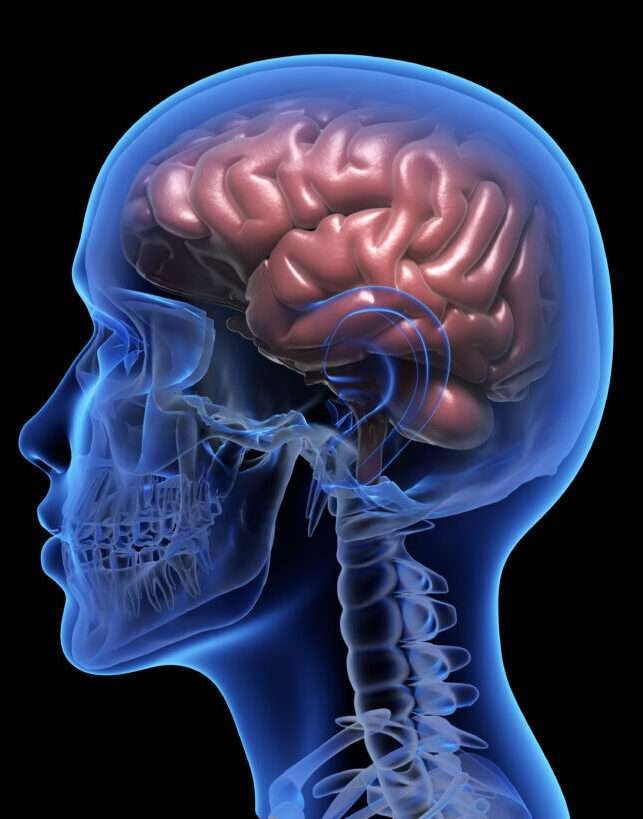
When Should You Consult a Brain Cyst Specialist in Bhopal?
A consultation may be appropriate when an MRI or CT scan identifies a cyst, particularly if the report recommends specialist review. It can also be useful when symptoms persist, change over time or occur alongside a previously diagnosed cyst.
Consider seeking a neurosurgical opinion if:
A radiology report identifies a brain cyst that needs further evaluation.
A known cyst appears to have changed on follow-up imaging.
Headaches or other symptoms need to be assessed alongside scan findings.
A doctor suspects that the cyst may affect fluid circulation or nearby structures.
You want to understand whether monitoring or an operation may be appropriate.
A Brain Cyst Specialist in Bhopal can review the available evidence and explain which questions need answering before treatment decisions are made. You do not need to assume that surgery is inevitable simply because a cyst has been found.
Brain Cyst Treatment in Bhopal
Treatment is individualised. Some cysts remain unchanged for years and do not require surgery. Others need closer follow-up or an intervention because of symptoms, growth or their effect on nearby structures.
1. Observation and follow-up
When a cyst has reassuring features and is not causing concerning symptoms, the doctor may recommend observation. This may include follow-up appointments and repeat MRI or CT imaging at an interval chosen for the individual case. Monitoring helps clinicians assess whether the cyst remains stable. The appropriate interval depends on the type of cyst, its appearance and other clinical factors.
2. Managing associated symptoms
If a patient has headaches, seizures or other symptoms, the doctor will assess their possible cause. Treatment may be directed at the symptom when clinically appropriate, but symptom management does not necessarily treat the cyst itself. Patients should not start, stop or change medication without advice from their treating clinician.
3. Surgical treatment
Surgery may be considered if a cyst causes significant pressure, obstructs cerebrospinal fluid flow, produces attributable neurological symptoms or shows other concerning features. The decision depends on the expected benefit, procedural risks and available alternatives.
When Is Brain Cyst Removal Surgery Recommended?
Brain Cyst Surgery in Bhopal is not necessary for every patient. A neurosurgeon may consider an operation when the cyst’s position, size, behaviour or effect on surrounding structures creates a meaningful clinical concern.
Possible reasons for considering surgery include:
- Pressure on nearby brain tissue associated with symptoms
- Obstruction of cerebrospinal fluid circulation
- A cyst that changes over time in a clinically significant way
- Persistent symptoms that the clinical team believes are related to the cyst
- Imaging features that require further clarification or treatment
The potential benefits must be weighed against risks such as bleeding, infection, seizures, injury to nearby structures, cerebrospinal fluid leakage and complications related to anaesthesia. The risks differ according to the procedure and the patient’s health.
A Neurosurgeon for Brain Cyst in Bhopal can help explain whether the findings support surgery, continued observation or further investigation. A second opinion may also be reasonable when the diagnosis or treatment plan is uncertain.
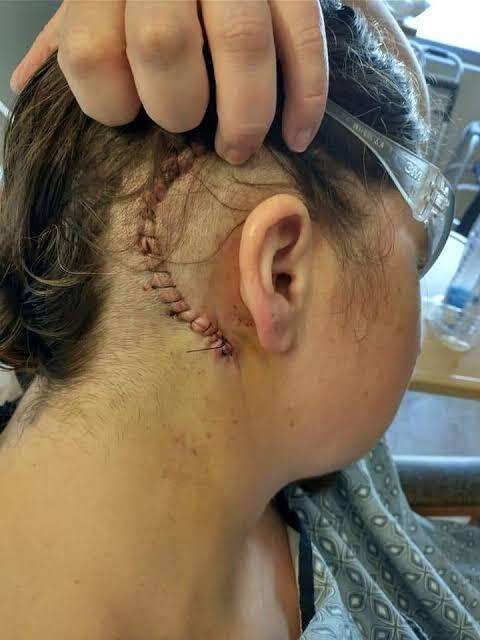
What to Expect Before and After Brain Cyst Surgery in Bhopal
Before surgery : If an operation is being considered, the clinical team may review imaging, medical history, current medications and general health. Additional investigations may be required to plan the procedure and assess anaesthesia-related risks. The surgeon should explain the purpose of the operation, available alternatives, important risks and expected recovery considerations. Patients should ask how their particular cyst may respond to the proposed treatment and what follow-up will be needed.
During recovery : Recovery depends on the cyst, the surgical approach, the patient’s overall health and whether complications occur. Some people need a period of hospital observation, while others may require more extensive monitoring and rehabilitation. After surgery, the care team may monitor neurological function, pain, wound healing and other relevant signs. Medication and activity instructions should be followed as advised.
Follow-up care : Follow-up appointments help assess recovery and determine whether further imaging is needed. Some patients may require continued monitoring even after treatment because the underlying condition and risk of recurrence vary. Patients should contact their medical team about unexpected symptoms after surgery. Severe headache, a seizure, new weakness, confusion, fever with concerning symptoms or a worsening condition may require urgent medical assessment.
fAQ's
Frequently asked Questions❔
General information only. A consultation is needed for advice about an individual condition.
A brain cyst is a sac-like structure containing fluid or other material. Many cysts are benign and may only need monitoring. Surgery depends on the cyst's type, location, symptoms and effect on nearby structures.
Arrange a consultation if an MRI or CT report identifies a cyst requiring review, if symptoms persist or if a known cyst changes. Sudden severe headache, a first seizure, sudden weakness or confusion requires emergency medical assessment rather than a routine appointment.
Assessment may include a medical history, neurological examination and MRI or CT imaging. Additional investigations may be recommended depending on the suspected cyst type and the clinical findings.
Options may include observation, follow-up imaging, treatment of associated symptoms or surgery in selected cases. The appropriate plan depends on the individual diagnosis and should be discussed with a qualified clinician.
Surgery may be considered when a cyst causes significant pressure, blocks fluid circulation, produces attributable symptoms or has other concerning features. Not every cyst requires removal, and the expected benefits must be weighed against the risks.
No. Some cysts remain stable and cause no symptoms. A neurosurgeon can assess whether observation, additional testing or surgery is appropriate for the specific case.
Recovery varies with the cyst's location, the procedure, the patient's general health and any complications. The treating team can provide a more realistic estimate after reviewing the proposed operation and individual circumstances.
Cost can depend on the type and complexity of the procedure, investigations, anaesthesia, hospital stay, medicines and follow-up care. An accurate estimate requires a confirmed treatment plan and a quotation from the relevant healthcare provider.