- Home
- Brain Hemorrhage Treatment
Brain Hemorrhage Treatment in bhopal
Urgent evaluation and care for bleeding within or around the brain.
Overview
A brain hemorrhage occurs when a blood vessel bleeds in or around the brain. Depending on the location and severity, bleeding can damage brain tissue, increase pressure inside the skull, and become life-threatening. Warning signs may include a sudden severe headache, weakness, difficulty speaking, confusion, seizures, or reduced consciousness. For families looking for information about Brain Hemorrhage Treatment in Bhopal, understanding the condition and its possible treatments can be an important step after emergency care has been arranged. Dr. Harshad Patil is a neurosurgeon practising in Bhopal, Madhya Pradesh. His qualifications include MBBS, MS (General Surgery), and M.Ch. (Neurosurgery). A neurosurgical consultation, when appropriate, can help patients and families understand investigation reports, possible treatment approaches, surgical considerations, and follow-up requirements. Treatment depends on the cause and location of bleeding, the patient’s neurological condition, and medical findings. Some patients need close monitoring and medical treatment, while selected cases may require a procedure.
Brain Tumor & Brain Surgery
Discuss this with the clinic
We bring the right people together to challenge established thinking and drive transform in 2020
What Is a Brain Hemorrhage?
Brain Hemorrhage Treatment in Bhopal depends on the location and severity of bleeding, its underlying cause, and the patient’s condition. A brain hemorrhage occurs when a blood vessel bleeds within brain tissue or into one of the spaces surrounding the brain. Because the skull is a hard structure, collected blood can put pressure on nearby brain structures and interfere with normal brain function. Brain hemorrhage can occur because of a head injury, uncontrolled high blood pressure, a weakened blood vessel, or problems with blood clotting. The amount of bleeding, its location, and its cause all influence the symptoms and treatment required. Symptoms may begin suddenly, although some types of bleeding can develop more gradually. A brain hemorrhage can also cause symptoms similar to those of an ischaemic stroke, which occurs when blood flow to part of the brain is blocked. These conditions require different treatments, so they cannot be reliably distinguished at home.
Suspected brain hemorrhage is a medical emergency.
Call India's emergency number 112 or seek immediate emergency medical care. Do not delay assessment, even if symptoms appear to improve.
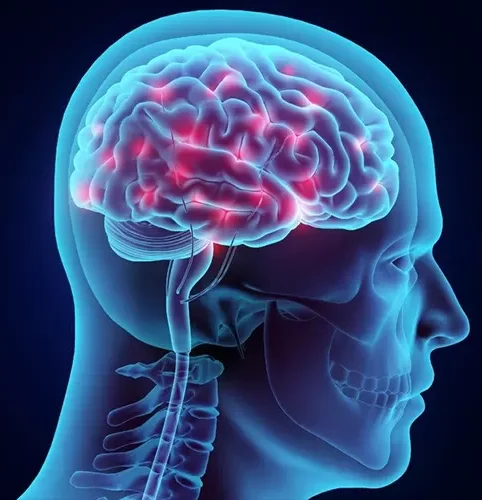
Symptoms and Warning Signs
Symptoms vary according to where the bleeding occurs and how severely the brain is affected. Possible warning signs include:
- Sudden, severe headache: Particularly a headache that is unusual or reaches maximum intensity rapidly.
- Weakness or numbness: Especially when affecting one side of the body.
- Speech difficulties: Trouble speaking clearly or understanding what others say.
- Vision or balance changes: Sudden visual disturbance, dizziness, or difficulty coordinating movements.
- Vomiting: Particularly when accompanied by a severe headache or other neurological symptoms.
- Seizures: New or unexplained seizure activity.
- Confusion or drowsiness: Difficulty staying alert, unusual behaviour, or reduced consciousness.
- Movement difficulties: Sudden trouble walking or controlling normal movements.
A person may not experience every warning sign. The absence of a severe headache does not rule out brain bleeding, and symptoms alone cannot confirm the diagnosis. If brain hemorrhage is suspected, call 112 or seek immediate emergency medical care. Do not wait for a routine appointment or attempt to diagnose the condition at home. If someone is seriously unwell, follow the emergency operator’s instructions. Do not give food, drink, or oral medication to a person who is unconscious, very drowsy, or having difficulty swallowing.
Types of Brain Hemorrhage
1. Intracerebral hemorrhage
An intracerebral hemorrhage occurs when a blood vessel bleeds directly into brain tissue. High blood pressure and certain blood vessel abnormalities may contribute to this condition. The effects depend on the amount of bleeding, its location, and the areas of the brain affected.
2. Subarachnoid Hemorrhage
A subarachnoid hemorrhage occurs when blood enters the space between the brain and the thin tissues covering it. A ruptured cerebral aneurysm, which is a weakened area in a blood vessel, is one possible cause. A sudden, unusually severe headache can be a warning sign and requires immediate emergency assessment.
3. Subdural Hematoma
A subdural hematoma is a collection of blood between the brain's outer covering and the brain surface. It commonly follows a head injury, although symptoms may appear immediately or develop gradually. Older adults and people taking blood-thinning medicines may have additional risk factors.
4. Epidural Hematoma
An epidural hematoma is bleeding between the skull and the outer covering of the brain. It is often associated with head trauma and can sometimes worsen rapidly, making urgent medical assessment essential.
These conditions are not identical, and their treatment and outlook vary. Doctors use the patient’s symptoms, neurological examination, and imaging results to determine the appropriate next steps. If a brain hemorrhage is suspected, call India’s emergency number 112 or seek immediate emergency medical care rather than waiting for a routine consultation.
Brain Hemorrhage Treatment in bhopal : Causes and Risk Factors
Brain bleeding can happen for different reasons. Possible causes and contributing factors include the following.
High blood pressure
Long-term uncontrolled high blood pressure can damage blood vessels and increase the risk of certain types of bleeding in the brain. Managing blood pressure under appropriate medical supervision can help reduce some health risks, but it cannot prevent every hemorrhage.
Head injury
A fall, road traffic collision, sports injury, or other blow to the head can cause bleeding within or around the brain. Symptoms after a head injury should be taken seriously, especially when there is confusion, vomiting, worsening headache, drowsiness, or a change in behaviour.
Cerebral aneurysm
A cerebral aneurysm is a weakened area in a blood vessel that may bulge and, in some cases, rupture. A rupture can cause bleeding around the brain and requires emergency treatment.
Abnormal blood vessels
Some vascular malformations or other abnormalities can increase the risk of bleeding. Additional imaging may be needed to identify the underlying cause in selected patients.
Blood-thinning medicines and bleeding disorders
Anticoagulant medicines, certain other medications, and bleeding disorders can affect the body’s ability to form clots. These factors may influence both the risk of bleeding and the treatment plan.
Other medical conditions
Some other medical conditions can contribute to the risk of brain hemorrhage. The cause varies between individuals, and not every case can be prevented.
Patients and families should provide the emergency team with an accurate medication list and relevant medical history, including previous strokes, bleeding disorders, recent injuries, and use of blood-thinning medicines. Do not independently stop or change prescribed medicines; the treating team should provide specific instructions.
How Is Brain Hemorrhage Diagnosed?
Suspected brain bleeding needs urgent assessment in an appropriate emergency medical setting. The emergency team evaluates the patient’s condition and selects tests according to the symptoms and clinical findings.
Neurological examination
The clinician may assess alertness, speech, eye and pupil responses, muscle strength, sensation, coordination, and other neurological signs. The team may also ask when symptoms began, whether there was a recent injury, and what medical conditions or medicines may be relevant.
Urgent CT scan
A CT scan of the head is commonly used to identify bleeding quickly. It can help show where blood has collected and whether there are signs of pressure affecting the brain. The findings help guide decisions about further tests and treatment.
MRI and blood vessel imaging
An MRI may be used in selected cases to provide additional detail about brain tissue or the cause of bleeding. CT angiography or other vascular imaging may be considered if the medical team needs to examine blood vessels, such as when an aneurysm or vascular abnormality is suspected.
Blood tests
Blood tests can help assess clotting, blood counts, and other medical factors that may affect treatment. The choice of tests depends on the patient’s condition and suspected cause.
Patients should not delay emergency care to arrange a private scan or wait for a routine specialist appointment. The emergency team determines which investigations are needed and how urgently they must be performed.
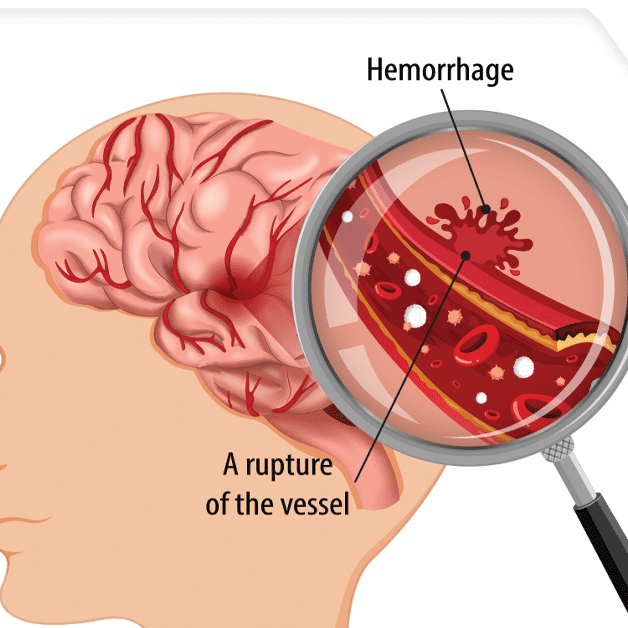
When Might Brain Hemorrhage Surgery Be Considered?
Brain Hemorrhage Surgery in Bhopal may be considered for selected patients, depending on the location and amount of bleeding, pressure on the brain, the cause, the patient’s neurological status, and imaging findings. The decision belongs to the responsible medical team after urgent assessment. In some situations, a procedure may be used to remove a collection of blood or relieve pressure on the brain. In other cases, treatment may focus on addressing the source of bleeding, which can involve a specialist vascular procedure rather than open surgery. The most appropriate approach depends on the diagnosis and the patient’s overall condition. Surgery is not necessary or suitable for every patient. The team considers the potential benefits, possible complications, other treatment options, and the patient’s medical circumstances. Patients and families should have an opportunity to ask what a proposed procedure aims to achieve, what risks may apply, whether alternatives exist, and what recovery may involve. No procedure can guarantee a particular outcome. The effects of a hemorrhage depend on several factors, including the area of the brain affected and the severity of the bleeding.
fAQ's
Frequently asked Questions❔
General information only. A consultation is needed for advice about an individual condition.
A brain hemorrhage is bleeding in or around the brain. It can damage brain tissue or increase pressure inside the skull. The seriousness depends on the cause, location, amount of bleeding, and the patient's condition. Suspected bleeding requires immediate emergency assessment.
Anyone with suspected acute brain bleeding should seek emergency care immediately, not wait for a routine consultation. For non-emergency follow-up after hospital assessment or treatment, a neurosurgical consultation may help explain the diagnosis and possible next steps.
For routine, non-emergency enquiries, contact Dr. Harshad Patil at +91 7554086000 Confirm the appointment and consultation location before visiting. If brain hemorrhage is suspected now, call 112 or seek emergency medical care immediately.
Patients and families can ask about scan findings, possible treatment approaches, the role of surgery, and follow-up needs. The appropriate plan depends on the type of bleeding, the patient's condition, and the clinical team's assessment.
Brain Hemorrhage Surgery in Bhopal may be considered when a particular bleed causes pressure, requires removal of a blood collection, or needs a procedure to address its source. Not every case requires surgery; the decision depends on urgent clinical assessment and imaging.
The evaluation may consider the bleeding location and size, neurological condition, imaging findings, likely cause, overall health, and potential benefits and risks of a procedure. The treating team explains the available options based on the individual case.
Families can ask about the diagnosis, proposed treatment, potential risks, monitoring, rehabilitation needs, and signs that require urgent attention. The medical team can also explain follow-up arrangements and how family members may support care.
No single approach is suitable for every case. Some patients receive medical management and monitoring, while selected cases may require surgery or another procedure. The decision depends on the cause, location, severity, and the patient's clinical condition.