- Home
- Cerebrovascular Treatment
Cerebrovascular Treatment in bhopal
Neurosurgical care for conditions affecting blood vessels of the brain.
Overview
Cerebrovascular conditions affect the blood vessels that carry oxygen and nutrients to the brain. These conditions may involve narrowed or blocked blood vessels, weakened artery walls, abnormal connections between blood vessels, or bleeding inside or around the brain. Some develop gradually, while others can cause sudden, life-threatening symptoms. Getting an accurate diagnosis is important because different conditions require different approaches. Depending on the diagnosis, care may involve monitoring, medication, further investigations, an endovascular procedure, surgery, or rehabilitation. Cerebrovascular Treatment in Bhopal begins with understanding the patient’s symptoms, medical history, imaging findings, and individual treatment needs.
Dr. Harshad Patil is a neurosurgeon practising in Bhopal, Madhya Pradesh. He holds an MBBS, MS in General Surgery, and M.Ch. in Neurosurgery. His education includes Terna Medical College & Hospital in Navi Mumbai, Dr. Vasantrao Pawar Medical College & Hospital in Nashik, and Sri Aurobindo Medical College and PG Institute in Indore. Patients and families can discuss neurological concerns, review available reports, and ask questions about appropriate next steps during a routine consultation. The goal is to support informed decisions based on medical findings rather than assume that every blood vessel condition requires surgery.
What Is Cerebrovascular Disease?
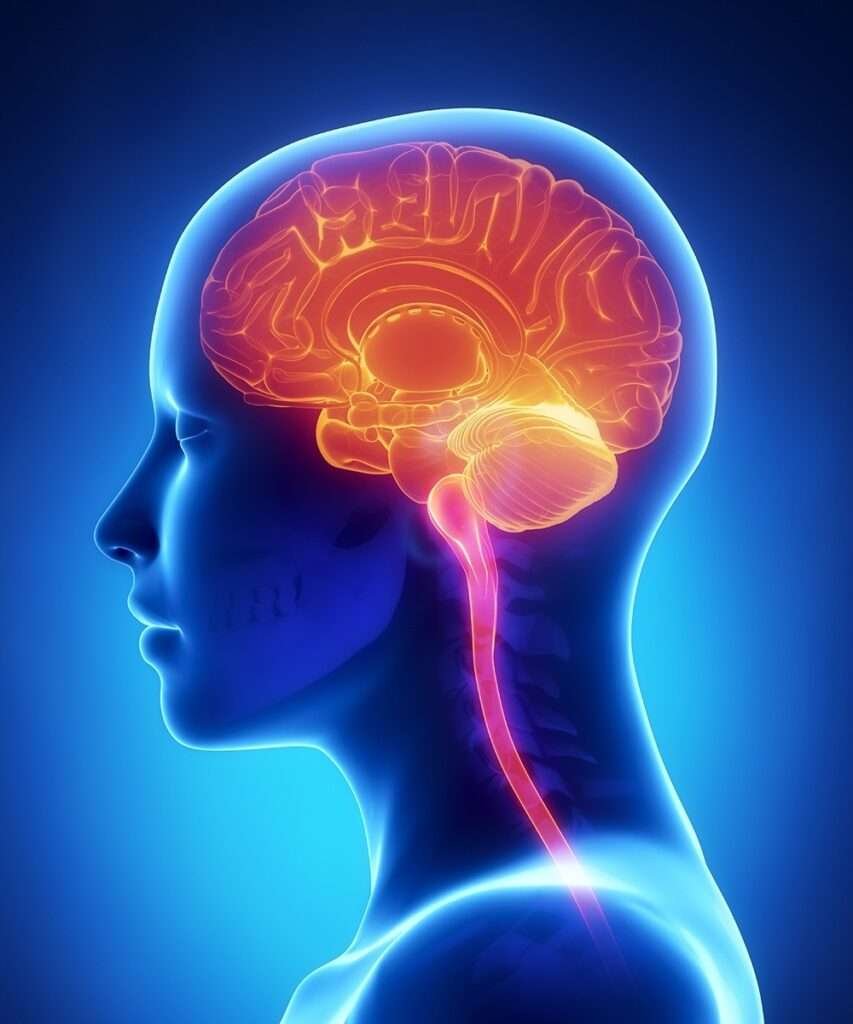
Cerebrovascular disease refers to conditions that affect the blood vessels supplying the brain. These vessels deliver oxygen-rich blood that brain cells need to function properly. If blood flow is interrupted or a vessel leaks or ruptures, the brain may be injured. There are two broad problems to understand. First, a blood vessel may become narrowed or blocked, reducing the supply of blood to part of the brain. Second, a vessel may be weakened or abnormal and bleed into brain tissue or the spaces around it. The underlying causes and treatment decisions differ between these problems.
Common cerebrovascular conditions include:
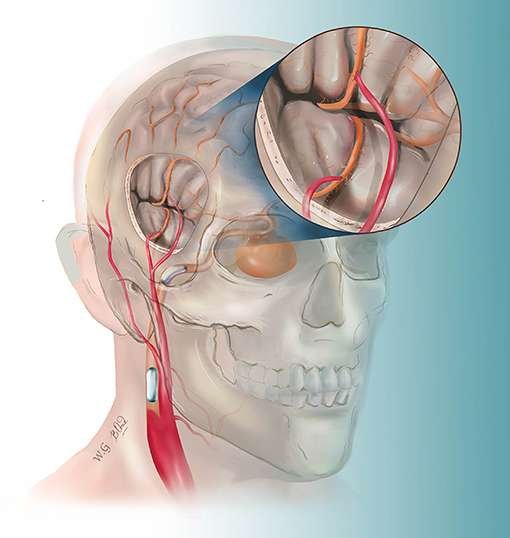
- Brain aneurysm: A weakened area of an artery wall that bulges outward. Some aneurysms remain stable, while others may need treatment because of their features or risk of rupture.
- Arteriovenous malformation (AVM): An abnormal connection between arteries and veins that can affect normal blood flow and may carry a risk of bleeding.
- Brain hemorrhage: Bleeding in or around the brain, which can result from different causes and may require urgent assessment.
- Ischemic stroke: An injury caused by interrupted blood supply to part of the brain, often because of a blockage.
- Other vascular abnormalities: Certain conditions affecting the structure or function of brain blood vessels may require specialist investigation.
Not every vascular abnormality causes symptoms, and not every diagnosis requires an operation. The appropriate approach depends on the exact condition, its location, associated risks, and the person’s overall health.
Common Symptoms of Cerebrovascular Conditions
Symptoms vary depending on which blood vessels are affected and whether blood flow is blocked or bleeding occurs. Some conditions are discovered during scans performed for another reason. Others cause sudden symptoms that need urgent assessment.
Possible warning signs include:
- A sudden, severe headache, particularly one that reaches maximum intensity quickly.
- Sudden weakness or numbness, especially affecting one side of the body.
- Difficulty speaking or understanding speech.
- Sudden loss or changes in vision.
- New difficulty walking, balancing, or coordinating movements.
- A seizure, particularly if it is new or unexplained.
- Confusion, fainting, collapse, or reduced consciousness.
Some brain aneurysms and AVMs may not cause noticeable symptoms before they are discovered. A headache or other symptom alone cannot establish that a vascular condition is present; medical assessment and appropriate investigations are needed. Cerebrovascular Treatment in Bhopal
Causes and Risk Factors of Cerebrovascular Disease
There is no single cause for every cerebrovascular condition. Risk factors vary between aneurysms, AVMs, strokes, and different types of brain hemorrhage.
Factors that may be relevant include:
- High blood pressure: Persistently high blood pressure can damage blood vessels and increase the risk of certain types of stroke and brain bleeding.
- Smoking: Smoking can damage blood vessels and contribute to vascular disease.
- Family history: A family history may be relevant for selected aneurysms or inherited vascular conditions.
- Congenital or inherited abnormalities: Some blood vessel abnormalities develop before birth or have a genetic component.
- Age and other vascular risks: Risk patterns differ by diagnosis, age, and overall health.
- Other medical conditions: Diabetes, abnormal cholesterol levels, and certain blood or clotting disorders may affect vascular health or treatment decisions.
- Medicines and bleeding risk: Blood-thinning medicines and some underlying conditions may influence the risk or management of bleeding.
Having one of these risk factors does not mean a person will necessarily develop a cerebrovascular condition. Equally, some conditions occur without obvious risk factors. A medical professional can help interpret personal and family history and explain whether further assessment is appropriate.
How Are Cerebrovascular Conditions Diagnosed?
Diagnosis starts with understanding the symptoms, medical history, examination findings, and any previous investigations. A doctor may assess speech, movement, sensation, vision, coordination, alertness, and other neurological functions.
The choice of tests depends on the suspected condition and the patient’s clinical situation.
CT scan
A CT scan can help identify bleeding in or around the brain and may be used urgently when a person has sudden neurological symptoms. It can also show certain structural changes that help guide further assessment.
MRI of the brain
Magnetic resonance imaging (MRI) provides detailed images of brain structures. It may help assess selected vascular conditions, brain injury, or abnormalities that need closer evaluation.
CT angiography and MR angiography
CT angiography (CTA) and MR angiography (MRA) help visualise blood vessels. These tests may be used to investigate an aneurysm, AVM, narrowing, or another suspected vascular abnormality.
Digital subtraction angiography
Digital subtraction angiography (DSA) is a specialised investigation that provides detailed images of blood vessels. It may be recommended when the treating team needs more information to clarify a diagnosis or plan a procedure.
Not every patient needs every test. The medical team selects investigations based on the clinical findings, the suspected diagnosis, urgency, and potential benefits and risks. Accurate imaging can help distinguish between conditions that may be monitored and those that need treatment. During a consultation, patients can ask what their reports show, whether additional tests are needed, and how the results affect the available options.
Cerebrovascular Treatment in Bhopal: Available Treatment Approaches
The appropriate care plan depends on the diagnosis, the location and size of a vascular abnormality, the presence of symptoms or bleeding, the risk of future complications, and the patient’s general health. Cerebrovascular Treatment in Bhopal may involve one or more of the following general approaches, depending on the findings and the specialists involved.
Monitoring and follow-up
Some aneurysms or other vascular abnormalities may be monitored when the expected risks of intervention outweigh the potential benefits. Follow-up may include repeat imaging and review of symptoms or risk factors. The interval and type of monitoring should be determined by the treating team.
Medical management
Medical care may focus on managing blood pressure, smoking cessation, diabetes, cholesterol, or other relevant health conditions. Medication may be needed for specific associated problems, but medicines do not eliminate every type of structural blood vessel abnormality. Patients should take prescribed medicines as directed and should not start, stop, or change treatment without appropriate medical advice.
Endovascular treatment
Endovascular procedures use catheters and specialised techniques to treat selected conditions from inside the blood vessels. Depending on the diagnosis, an appropriately trained specialist may consider techniques such as coiling or other vessel-directed treatments. Suitability depends on detailed imaging and individual clinical factors.
Microsurgery
Selected conditions may be treated using microsurgical techniques. The type of procedure, expected benefits, risks, and availability of an appropriate facility must be discussed with the treating team.
Emergency treatment and rehabilitation
Acute bleeding, stroke symptoms, or other serious neurological complications require immediate assessment in an appropriate emergency setting. Depending on the condition and its effects, patients may also need rehabilitation, medical follow-up, and repeat investigations. These are general treatment categories, not a guarantee that every approach is suitable or available through a particular doctor. A personalised plan should be based on medical assessment and the appropriate specialist team’s recommendations.
Cerebrovascular Surgery in Bhopal: What Patients Should Know
If a procedure is being considered, patients and families should feel comfortable asking questions before making decisions about planned treatment.
Useful questions include:
- What is the exact diagnosis, and what do the scan reports show?
- Is treatment needed now, or could monitoring be reasonable?
- What are the expected benefits and possible risks of the recommended approach?
- Could an endovascular treatment or another option be suitable?
- What preparation, hospital care, and follow-up may be required?
- Which hospital or treatment facility would be involved?
- What might recovery and rehabilitation involve?
- What warning signs should prompt urgent medical attention?
Brain Blood Vessel Surgery in Bhopal is not one standard operation for all conditions. The procedure, if needed, depends on the underlying diagnosis and the patient’s individual anatomy and health. Patients should ask the treating team to explain the plan in language they understand. The specific procedure, hospital, equipment, specialist involvement, and treatment availability must be confirmed directly. Patients should not assume that every surgical or endovascular technique is available in every setting.
Recovery and Follow-Up After Treatment
Recovery varies according to the condition, whether bleeding or stroke occurred, the treatment performed, complications, and the patient’s general health. Some people return to daily activities relatively quickly, while others need extended medical support or rehabilitation.
Follow-up care may include:
- Attending scheduled medical reviews and recommended imaging.
- Taking prescribed medicines as directed.
- Managing blood pressure and other relevant risk factors.
- Following activity and wound-care instructions when applicable.
- Participating in physiotherapy, occupational therapy, or speech therapy if recommended.
- Reporting new or worsening symptoms promptly.
A Cerebrovascular Neurosurgeon in Bhopal may be involved in discussing neurosurgical follow-up where appropriate, alongside other clinicians responsible for the patient’s care. The follow-up plan should reflect the diagnosis and treatment actually received. There is no single recovery timeline that applies to everyone. Sudden severe headache, new weakness, speech difficulty, seizure, collapse, or reduced consciousness requires immediate emergency assessment rather than waiting for a scheduled review.
Cerebrovascular Care for Patients in Bhopal and Nearby Areas
People living in Arera Colony, Shahpura, MP Nagar, Kolar Road, and Hoshangabad Road may search for information about brain blood vessel conditions and specialist consultation in Bhopal. Understanding the diagnosis and knowing which questions to ask can help patients and families prepare for a discussion with a medical professional. For non-emergency enquiries, patients can contact Dr. Harshad Patil to confirm routine consultation arrangements. Please verify the consultation location and appointment availability before travelling; a specific clinic address has not been provided here.
Bring available imaging reports, previous medical records, discharge summaries, and a current medication list. If another doctor has recommended additional investigations or a specialist opinion, bring that referral information as well. A Cerebrovascular Specialist in Bhopal may help explain relevant findings and discuss the next steps within the scope of the consultation. If a patient is experiencing sudden or severe neurological symptoms, they should seek emergency care immediately rather than travel to a routine appointment.
fAQ's
Frequently asked Questions❔
General information only. A consultation is needed for advice about an individual condition.
Cerebrovascular disease affects the blood vessels that supply the brain. It includes conditions involving blocked blood flow, aneurysms, AVMs, and certain types of bleeding. The diagnosis determines which investigations and treatment options may be appropriate. Cerebrovascular Treatment in Bhopal
A person may need a neurosurgical opinion after a brain aneurysm, AVM, hemorrhage, or another vascular abnormality is identified, particularly if a procedure is being considered. A Cerebrovascular Neurosurgeon in Bhopal can discuss relevant findings and whether further specialist assessment is appropriate. Sudden severe symptoms require emergency care first.
A sudden severe headache, new weakness or numbness, difficulty speaking, sudden vision changes, seizure, collapse, or reduced consciousness may signal a serious neurological problem. Call 112 in India or seek immediate emergency medical care. Do not wait for a routine appointment.
No. Some conditions may be monitored, some require medical management, and others may need an endovascular procedure or surgery. Cerebrovascular Surgery in Bhopal may be considered only when the diagnosis and individual risk assessment support intervention. The treating team should explain the available options. Cerebrovascular Treatment in Bhopal
Depending on the suspected problem, investigations may include a CT scan, MRI, CT angiography, MR angiography, or digital subtraction angiography. Blood tests may also be relevant. Not everyone needs every test; the medical team selects investigations based on the clinical situation.
A specialist reviews symptoms, medical history, examination findings, and imaging to help clarify the diagnosis and discuss possible management approaches. A Cerebrovascular Specialist in Bhopal may also explain the benefits, risks, and follow-up considerations relevant to the case.
The diagnosis, size and location of the abnormality, symptoms, bleeding risk, overall health, and potential risks of intervention all matter. Brain Blood Vessel Surgery in Bhopal may be considered for selected conditions, but monitoring or another treatment may be more appropriate in other cases.
Recovery depends on the underlying condition, whether bleeding or brain injury occurred, the treatment received, and the patient's general health. Some patients need rehabilitation and long-term monitoring. The treating team can explain the expected recovery considerations for the individual case. Cerebrovascular Treatment in Bhopal