- Home
- Spinal Tumor Surgery
Spinal Tumor Surgery in bhopal
Explore symptoms, diagnosis, treatment options and neurosurgical consultation.
Overview
A spinal tumor diagnosis can raise many questions for patients and their families. What does the scan mean? Is the tumor cancerous? Could it affect walking or movement? Will surgery be necessary? These concerns are understandable, and the answers depend on the tumor’s type, location, size, growth and effect on nearby nerves or the spinal cord. Spinal Tumor Surgery in Bhopal begins with an accurate assessment of the condition and its potential impact on neurological function. Some spinal tumors are benign and may be monitored in selected cases. Others can press on the spinal cord or nerve roots, cause progressive symptoms or require treatment because of their nature and location.
Dr. Harshad Patil is a neurosurgeon practising in Bhopal, Madhya Pradesh. He holds MBBS, MS in General Surgery and M.Ch. in Neurosurgery qualifications. He completed his MBBS at Terna Medical College & Hospital in Navi Mumbai, his MS at Dr. Vasantrao Pawar Medical College & Hospital in Nashik, and his M.Ch. in Neurosurgery at Sri Aurobindo Medical College and PG Institute in Indore. A neurosurgical consultation can help patients understand their imaging reports, discuss possible causes of their symptoms and learn about appropriate treatment options. Surgery is not automatically required whenever a spinal tumor is discovered. The decision depends on the individual diagnosis, clinical findings and potential benefits and risks of intervention.
Understanding Spinal Tumors and Spinal Tumor Surgery in Bhopal
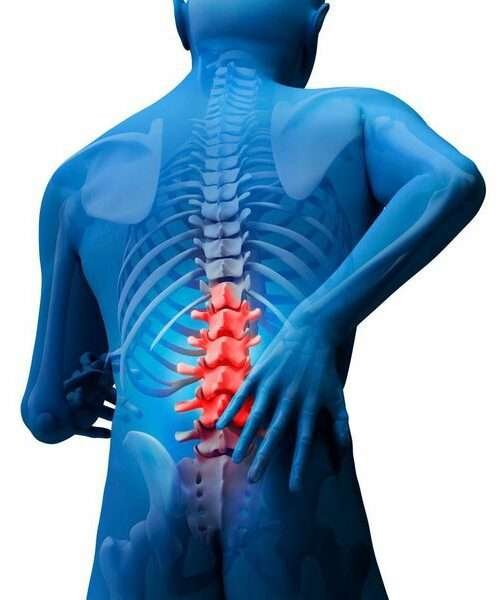
A spinal tumor is an abnormal growth of cells in or around the structures of the spine. It may develop in the spinal bones, the spinal cord itself, the protective coverings around the cord or the nerve roots that extend from it. Spinal tumors vary considerably. Some grow slowly and remain stable, while others may grow more quickly or affect important neurological structures. A tumor may be benign, meaning it is not cancerous, or malignant, meaning it is cancerous. Even a benign tumor can cause significant problems if it presses on the spinal cord or nearby nerves.
Different types of spinal tumors
The location of a tumor helps determine its possible effects and treatment options.
- Extradural tumors: These occur outside the protective covering of the spinal cord, often involving the vertebrae or surrounding structures. Some originate in the spine, while others may spread from cancer elsewhere in the body.
- Intradural extramedullary tumors: These develop inside the spinal cord’s protective covering but outside the cord itself. Some arise from nerve coverings or the membranes surrounding the cord.
- Intramedullary tumors: These develop within the spinal cord tissue. Their management can be more complex because of their relationship with functioning nerve pathways.
- Primary and secondary tumors: Primary tumors begin in or around the spine. Secondary, or metastatic, tumors spread to the spinal region from another part of the body.
The term spinal cord tumor does not describe every tumor affecting the spine. A tumor involving a vertebra may have different implications from one growing inside the spinal cord. When considering Spinal Tumor Surgery in Bhopal, patients should understand that treatment depends on the precise diagnosis, not simply the word “tumor” in a scan report.
Common Symptoms That May Require Spinal Tumor Evaluation
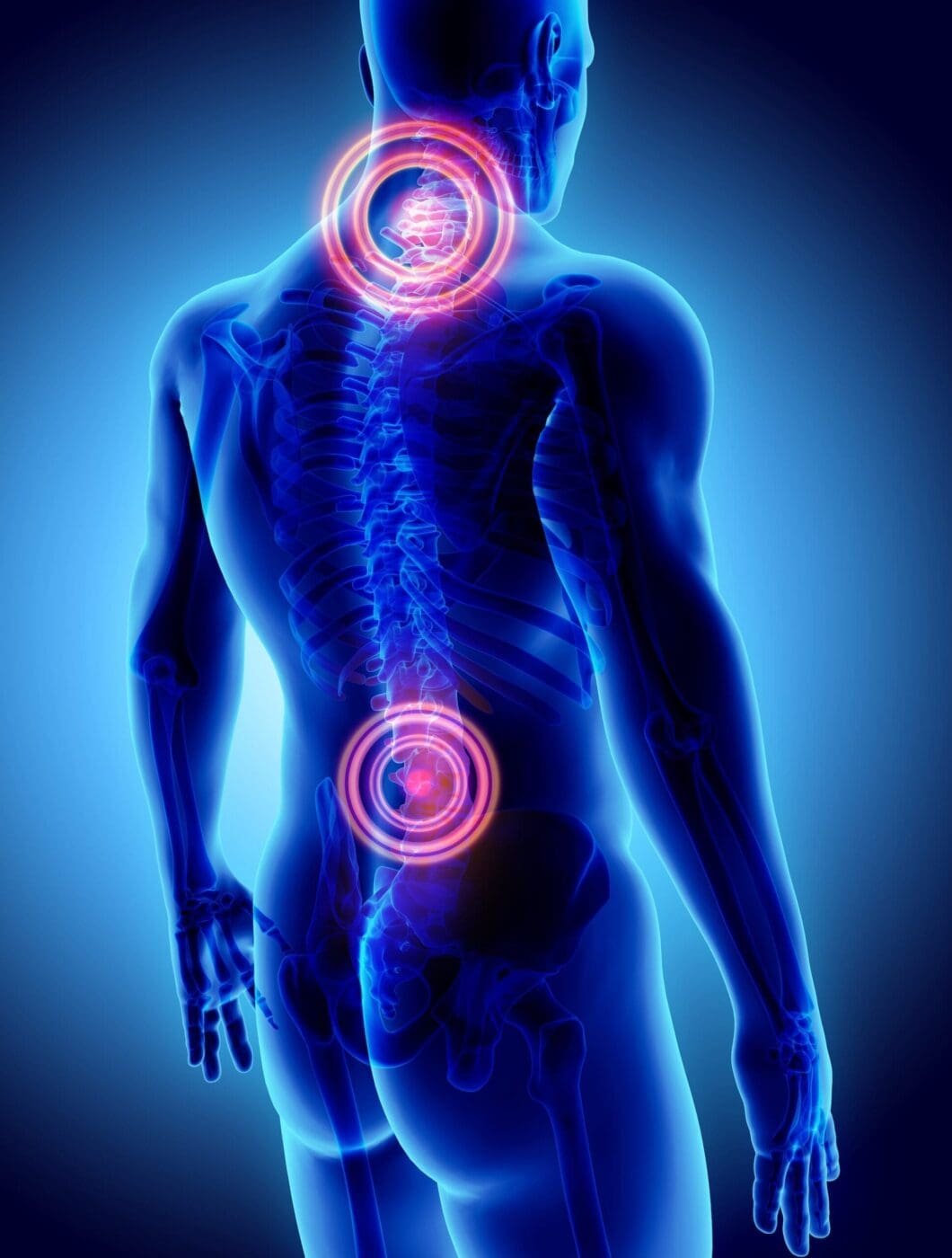
Symptoms depend on the tumor’s location, size, growth and effect on the spinal cord or nerve roots. Some tumors are discovered during investigations performed for another reason. Others cause symptoms that gradually become more noticeable.
Possible symptoms include:
- Persistent or progressively worsening back pain
- Neck pain associated with other neurological symptoms
- Pain radiating into an arm, chest, buttock or leg
- Numbness or tingling in the arms or legs
- Muscle weakness
- Difficulty walking or maintaining balance
- Changes in coordination or fine motor movements
- Changes in bladder or bowel function in serious cases
Pain caused by a spinal tumor may have different patterns. It may persist, become more noticeable over time or occur alongside weakness or sensory changes. However, these symptoms are not specific to tumors and may result from several other conditions. A spinal tumor evaluation can help determine whether the symptoms warrant imaging or specialist assessment. People considering Spinal Tumor Surgery in Bhopal should not assume that back pain alone indicates a tumor or that a tumor found on imaging necessarily explains every symptom.
Spinal Tumor Diagnosis in Bhopal
An accurate diagnosis helps the clinical team understand the tumor’s characteristics and determine the most appropriate management. Evaluation generally involves a review of symptoms, medical history, neurological examination and imaging selected for the individual case.
Medical history and neurological examination
The doctor may ask when symptoms began, whether they have changed, and whether pain travels into the arms or legs. Previous illnesses, cancer history, treatments, medications and earlier imaging may also be relevant. A neurological examination may assess muscle strength, sensation, reflexes, coordination, walking and other functions. The findings can help identify whether a particular part of the nervous system may be affected.
MRI and CT imaging
Magnetic resonance imaging (MRI) is commonly used to examine spinal tumors because it can provide detailed images of the spinal cord, nerve roots and surrounding soft tissues. Depending on the clinical question, MRI may be performed with contrast material to help characterise a lesion. Computed tomography (CT) can provide useful information about the spinal bones and certain tumor characteristics. It may be used alongside MRI or when a particular question needs clarification. Not every patient requires every type of scan. The choice depends on the suspected tumor, its location, previous investigations and the patient’s circumstances.
Biopsy and tissue analysis
In selected cases, a biopsy or analysis of tissue removed during surgery may be needed to identify the tumor type. A biopsy is not appropriate for every lesion, and the safest method of obtaining a diagnosis depends on its location and the clinical plan. Spinal Tumor Diagnosis in Bhopal should involve interpreting investigation results alongside symptoms and examination findings. A scan can identify a suspicious lesion, but additional assessment may be needed to establish its nature and guide treatment.
Spinal Tumor Treatment in Bhopal
Treatment varies according to the tumor’s type, location, size, growth, symptoms, neurological involvement and the patient’s overall health. The management plan should be based on the expected benefits of treatment and the risks associated with the condition and available options.
Observation and follow-up imaging
Some tumors may be monitored when their characteristics, stability and clinical effects make observation appropriate. Follow-up appointments and repeat imaging can help assess whether a lesion changes over time. Monitoring requires an individual plan. The timing of repeat scans depends on the diagnosis and clinical findings, and patients should follow the schedule recommended by their treating team.
Surgical treatment
Surgery may be considered when a tumor compresses the spinal cord or nerve roots, causes progressive neurological symptoms, grows over time or requires tissue diagnosis. The aim may be to relieve pressure, remove as much of the tumor as safely possible or obtain tissue for further analysis. Complete removal is not always possible or advisable. The priority is to balance the potential benefits of treatment with the risk of damaging important neurological structures.
Radiation therapy and other specialist-directed treatments
Radiation therapy may be appropriate for selected tumor types, including some malignant or residual tumors. Certain tumors may also require treatment directed at the underlying cancer or another specific diagnosis. Depending on the findings, care may involve collaboration between neurosurgeons, radiologists, oncologists and other specialists. Not every patient needs a multidisciplinary treatment plan, but coordination can be important when a tumor’s diagnosis or treatment requires input from several specialties. Spinal Tumor Treatment in Bhopal should be discussed after the relevant investigations have been reviewed. The recommended approach may involve observation, surgery, radiation therapy or another treatment, depending on the individual condition.
When Is Spinal Tumor Removal Surgery Recommended?
Spinal Tumor Removal Surgery in Bhopal may be considered when a tumor causes significant pressure on the spinal cord or nerves, produces progressive neurological symptoms or requires tissue diagnosis to guide further treatment.
Possible reasons for considering an operation include:
- Progressive weakness or other neurological changes linked to the tumor
- Compression of the spinal cord or nerve roots
- A tumor that grows or changes in a clinically significant way
- Persistent symptoms attributed to the lesion
- The need to obtain tissue for diagnosis
- Other tumor-specific concerns identified during specialist assessment
The decision is not based on tumor size alone. A small lesion in a sensitive location may be important, while another lesion may be suitable for observation. Tumor type, growth pattern, location and the patient’s overall health all matter. Before recommending surgery, a specialist should discuss the intended purpose of the procedure, possible alternatives, potential complications and expected follow-up. Risks can include bleeding, infection, cerebrospinal fluid leakage, spinal instability or injury to the spinal cord or nerves. The specific risks depend on the tumor and the planned approach. Patients should have an opportunity to ask questions and understand why an operation is being proposed. In selected cases, a second opinion may help clarify the options.
Types of Spine Tumor Surgery
The appropriate surgical approach depends on the tumor’s location, its relationship with surrounding structures and the patient’s neurological condition. The following are general examples of procedures used in spinal tumor care; they are not a confirmation that a specific technique is offered by Dr. Harshad Patil.
Tumor removal
When feasible, surgery may involve removing part or all of a tumor. The amount that can be safely removed depends on the tumor type and how closely it is attached to or integrated with the spinal cord, nerve roots or surrounding tissues.
Decompression
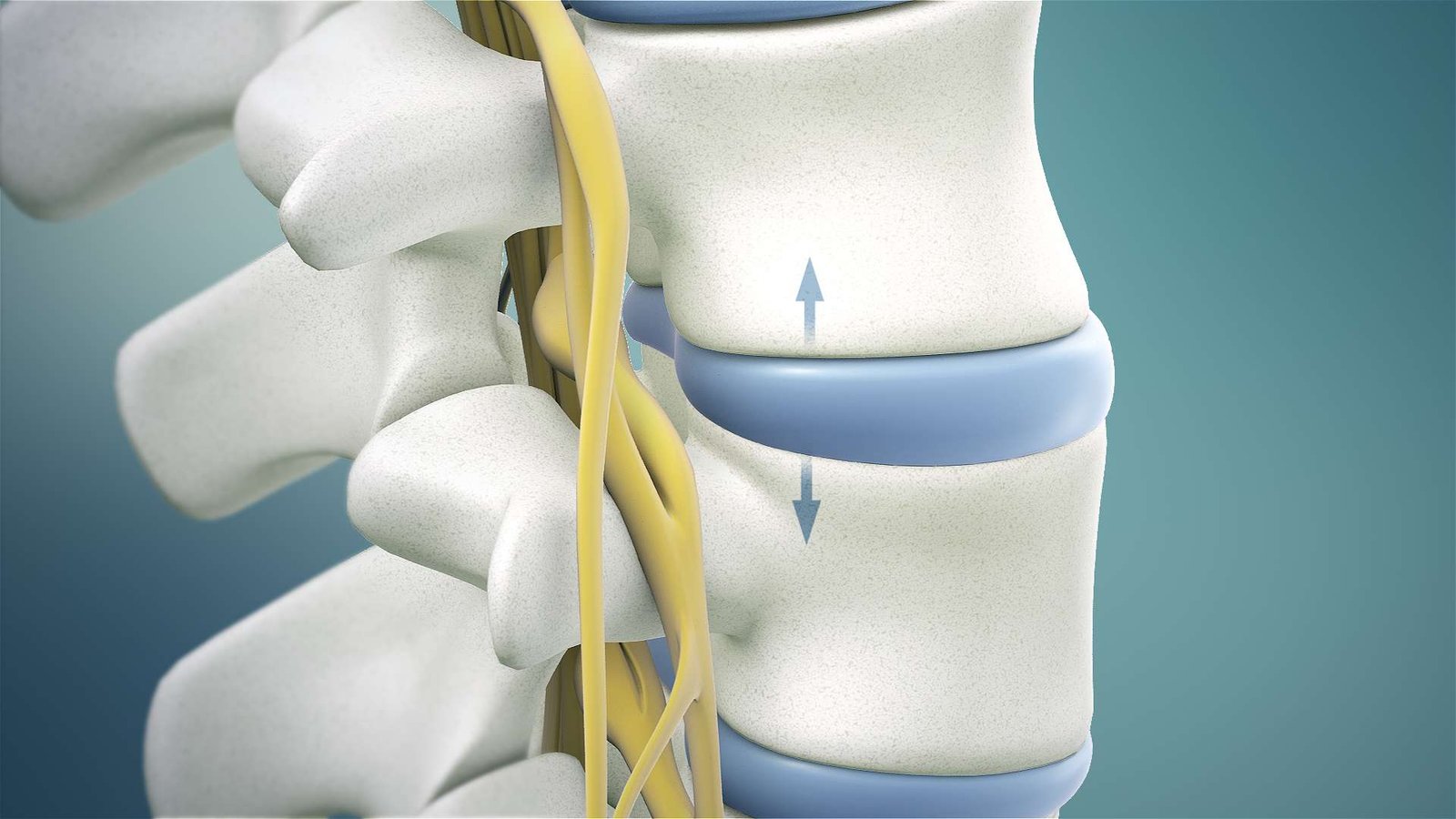
Decompression involves relieving pressure on the spinal cord or nerves. In some cases, removing a portion of a tumor or adjacent tissue may help create more space for the affected neurological structures.
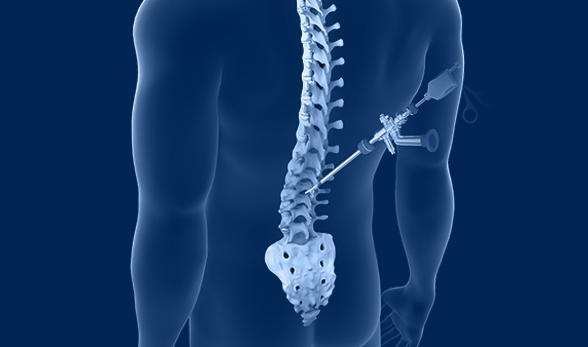
Procedures involving the spinal bones
Some tumors affect the vertebrae and may weaken the spine. Depending on the condition, surgical planning may need to consider spinal stability and whether additional measures are required to support the affected area.
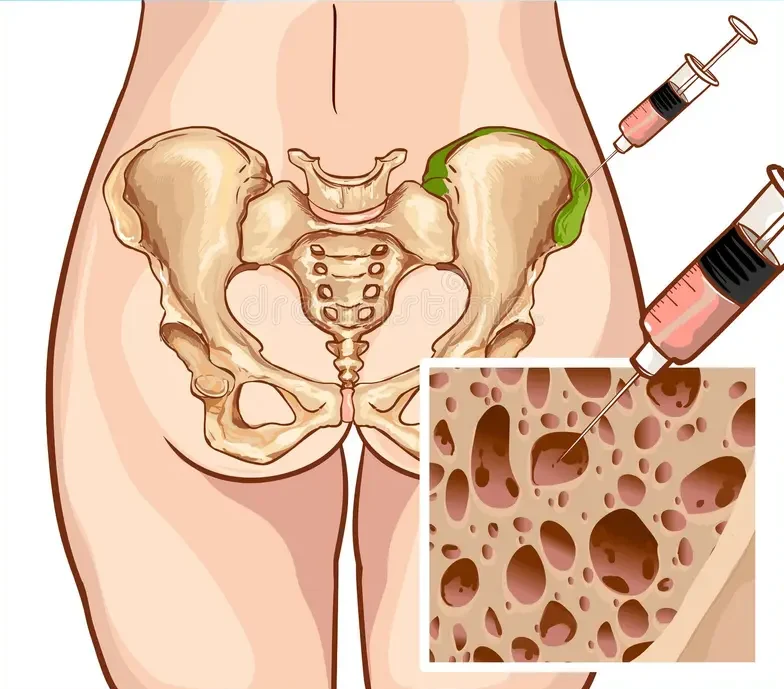
Tissue sampling
A biopsy or tissue sampling procedure may be considered when the diagnosis is uncertain and tissue analysis is needed to guide treatment. The safest approach depends on the lesion's location and other clinical factors.
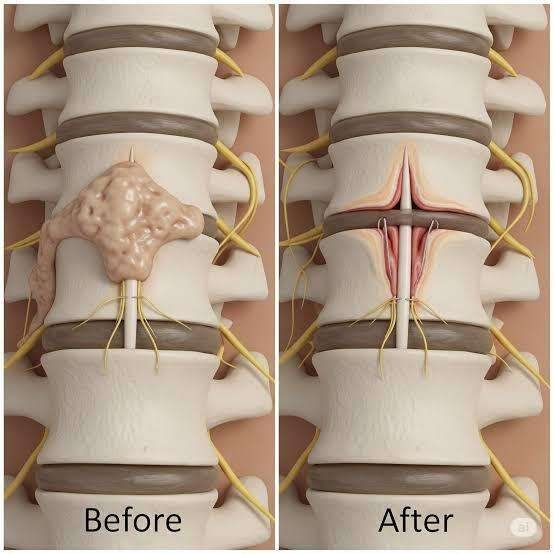
Recovery and Follow-Up After Spinal Tumor Surgery in bhopal
Recovery varies with the tumor’s type and location, the procedure performed, the degree of neurological involvement before treatment and the patient’s overall health.
Early recovery
After an operation, the clinical team may monitor neurological function, pain, wound healing and mobility. The length of hospital observation depends on the procedure, the patient's condition and any complications. Patients receive instructions about wound care, activity, medicines and signs that require medical attention. Following these instructions can help support safe recovery.
Rehabilitation and return to activities
Some patients may benefit from physiotherapy or rehabilitation to help address changes in strength, balance or mobility. The need for rehabilitation depends on the neurological effects of the tumor and the recovery achieved after treatment. Returning to work, driving, lifting or exercise should be guided by the treating team. Recovery cannot be predicted from the procedure name alone, and improvement in neurological function varies from person to person.
fAQ's
Frequently asked Questions❔
General information only. A consultation is needed for advice about an individual condition.
Patients looking for a Spinal Tumor Surgeon in Bhopal can consult Dr. Harshad Patil, a neurosurgeon with MBBS, MS (General Surgery), and M.Ch. (Neurosurgery) qualifications. Contact the doctor to confirm appointment availability and the consultation location.
A Spinal Tumor Specialist in Bhopal can assess imaging reports, neurological symptoms, and the suspected tumor type to help determine suitable next steps. Choose a qualified specialist whose credentials and consultation details can be verified.
Spinal Tumor Treatment in Bhopal may involve monitoring, surgery, radiation therapy, or other specialist-directed treatments. The appropriate approach depends on the tumor's type, location, growth, symptoms, and effect on the spinal cord or nerves.
Consult a Spinal Tumor Doctor in Bhopal if imaging identifies a spinal lesion or you experience persistent spinal pain with unexplained weakness, numbness, or walking difficulties. New bladder or bowel dysfunction or rapidly worsening weakness requires urgent medical assessment.
Spinal Tumor Removal Surgery in Bhopal may be considered when a tumor compresses the spinal cord or nerves, causes progressive neurological symptoms, grows over time, or requires tissue diagnosis. Not every spinal tumor needs surgery.
Before considering Spine Tumor Surgery in Bhopal, discuss the tumor's location, diagnostic findings, available treatment options, potential risks, and expected recovery with your treating specialist. The surgical approach depends on the individual case.
A Neurosurgeon for Spinal Tumor in Bhopal can assess whether a tumor may be affecting the spinal cord or nerve roots and whether further investigations or treatment are needed. Seek emergency care for rapidly worsening weakness or new bladder or bowel problems.
When choosing a Spinal Tumor Surgery Specialist in Bhopal, review the doctor's verified qualifications, neurosurgical training, and experience relevant to your condition. Ask about the proposed treatment, alternatives, possible complications, and follow-up requirements.