- Home
- Cerebral Aneurysm Surgery
Cerebral Aneurysm Surgery in bhopal
Surgical options, such as clipping, to secure an aneurysm.
Overview
A cerebral aneurysm is a weakened area in a blood vessel in the brain that bulges outward. Some aneurysms remain small and cause no noticeable symptoms, while others may require careful monitoring or preventive treatment. If an aneurysm ruptures, it can cause bleeding around the brain and become a life-threatening emergency. Understanding Cerebral Aneurysm Surgery in Bhopal starts with identifying the aneurysm, assessing its characteristics, and discussing the available treatment options. The appropriate approach depends on the aneurysm’s size, shape, location, rupture status, and the patient’s overall health.
Dr. Harshad Patil is a neurosurgeon practising in Bhopal, Madhya Pradesh. His qualifications include MBBS, MS (General Surgery), and M.Ch. (Neurosurgery). A neurosurgical consultation may help patients and families understand imaging reports, the potential risks of an aneurysm, and whether monitoring or an intervention should be discussed.
Important: A sudden, extremely severe headache, collapse, seizure, or reduced consciousness may indicate a ruptured aneurysm or another serious medical emergency. Call India’s emergency number 112 or seek immediate emergency medical care. Do not wait for a routine appointment.
What Is a Cerebral Aneurysm?
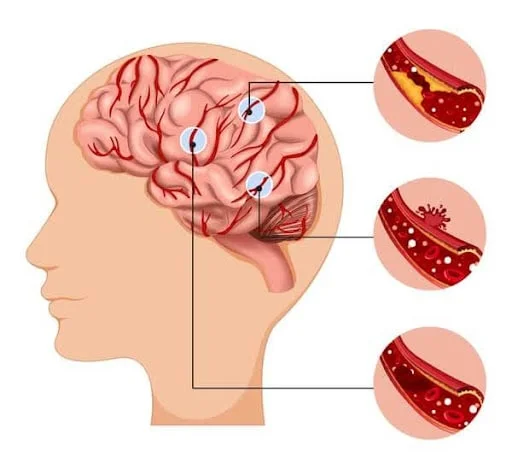
A cerebral aneurysm, also called a brain aneurysm, is a weakened section of an artery that develops a bulge. Blood flows through the affected vessel, and the weakened area may change in size or shape over time. Some aneurysms are discovered incidentally during scans performed for another reason. Others are identified after symptoms develop or following a medical emergency. An unruptured aneurysm may remain stable for years, but its future behaviour cannot be predicted from symptoms alone.
Ruptured and unruptured aneurysms
An unruptured aneurysm has not broken open. Depending on its size, shape, location, and other risk factors, a medical team may recommend monitoring, risk-factor management, or preventive intervention. A ruptured aneurysm has broken open and caused bleeding, often into the space surrounding the brain. This is a medical emergency requiring immediate hospital assessment and specialist care. Not every aneurysm requires surgery. The decision depends on the likelihood of rupture, the potential consequences of leaving it untreated, and the risks associated with an intervention. Patients should discuss their individual findings with their treating team.
Causes and Risk Factors
Cerebral aneurysms can develop for different reasons. In some people, no single cause can be identified. Factors associated with a higher likelihood of developing an aneurysm include:
- High blood pressure: Persistently elevated blood pressure can place stress on blood vessel walls.
- Smoking: Tobacco use is associated with an increased risk of aneurysm development and rupture.
- Family history: Having close relatives with cerebral aneurysms may be relevant when assessing individual risk.
- Inherited conditions: Certain conditions affecting blood vessels or connective tissue may increase susceptibility.
- Age: The likelihood of having an aneurysm can vary with age and other individual health factors.
- Other vascular factors: The person’s medical history and the characteristics of their blood vessels may influence risk.
Having one or more risk factors does not mean that a person will definitely develop an aneurysm. Likewise, someone without recognised risk factors may still have one. Patients should discuss their family history, blood pressure, smoking history, existing medical conditions, and current medicines with their clinician. Managing modifiable risk factors can support overall vascular health, although it cannot eliminate every aneurysm-related risk.

Meet Your Neurosurgeon: Dr. Harshad Patil
Dr. Harshad Patil is a Consultant Neurosurgeon in Bhopal who specialises in disorders of the brain, spine, and nervous system. He completed his MBBS at Terna Medical College, Navi Mumbai, followed by an MS in General Surgery from Dr. Vasantrao Pawar Medical College, Nashik, and an M.Ch. in Neurosurgery from Sri Aurobindo Medical College and PG Institute, Indore. His further clinical experience includes working as a Registrar in Neurosurgery at Dr. R. N. Cooper Hospital, Mumbai.
For patients seeking Cerebral Aneurysm Surgery in Bhopal, understanding the diagnosis and available treatment options is an important first step. Cerebral aneurysms require careful evaluation because the recommended approach depends on factors such as the aneurysm’s size, shape, location, rupture status, and the patient’s overall health. Depending on the individual case, management may involve regular monitoring, risk-factor control, microsurgical clipping, or endovascular treatment.
Dr. Harshad Patil’s neurosurgical training and academic involvement include work relating to complex brain and spinal conditions. Patients can discuss their imaging reports, understand the potential risks and benefits of available treatment approaches, and learn about the follow-up care that may be required. A personalised assessment helps patients and their families make informed decisions about cerebral aneurysm management.
Symptoms and Warning Signs
A brain tumor is an abnormal growth of cells inside or around the brain. Tumors are broadly grouped as:
- Benign (non-cancerous): Usually slow growing and well defined. Many can be removed completely. Examples include meningioma, pituitary adenoma and schwannoma.
- Malignant (cancerous): Grow faster and may invade nearby brain tissue. Gliomas are a common example.
- Primary and secondary: Primary tumors begin in the brain itself. Secondary (metastatic) tumors spread to the brain from cancer elsewhere in the body, such as the lung or breast
Symptoms You Should Not Ignore
Brain tumor symptoms depend on the size and location of the growth. Please consult a neurosurgeon if you or a family member notices:
- Headaches that keep getting worse, especially in the morning or when lying down
- Seizures (fits) for the first time in adult life
- Repeated vomiting without a clear cause
- Blurred or double vision
- Weakness, numbness or tingling in the face, arm or leg
- Difficulty speaking or understanding words
- Memory problems, confusion or sudden personality changes
- Loss of balance, hearing loss or ringing in the ear
- Unusual drowsiness
These symptoms can also be caused by other conditions, so do not panic. But do not delay: a proper examination and MRI can give clarity quickly.
Warning signs of a ruptured aneurysm
A ruptured aneurysm may cause bleeding around the brain. Warning signs can include:
- A sudden, extremely severe headache.
- Nausea or vomiting accompanying a severe headache.
- Neck stiffness or sensitivity to light.
- Seizures.
- Confusion, collapse, or reduced consciousness.
- Sudden neurological changes.
Symptoms may vary, and not every person experiences all of them. If a rupture is suspected, call 112 or seek immediate emergency medical care. Do not wait to see whether the headache improves, book a routine appointment, or delay care while searching for information online. The emergency team must assess the person urgently.
How Is a Cerebral Aneurysm Diagnosed?
Diagnosis involves reviewing the patient’s medical history, symptoms, examination findings, and appropriate imaging. Different tests provide different information about blood vessels, the presence of bleeding, and nearby brain structures.
CT scan of the head
A CT scan can help identify bleeding in or around the brain. It is commonly used during emergency assessment when a rupture is suspected because it can provide important information quickly.
CT angiography
CT angiography uses imaging and contrast material to show blood vessels. It may help identify an aneurysm and provide information about its size, shape, and location.
MRI and MR angiography
MRI provides detailed images of brain structures. MR angiography can help assess blood vessels and may be used in selected cases, including some follow-up assessments.
Cerebral angiography
In selected situations, a catheter-based angiography procedure may provide detailed information about blood vessel anatomy. The treating team determines whether this investigation is appropriate. The choice of test depends on the clinical situation. When rupture is suspected, patients should not delay emergency care to arrange elective imaging independently.
A diagnosis also requires interpretation of the imaging findings alongside the patient’s medical history and clinical condition. The presence of an aneurysm does not automatically mean that an operation is necessary.
Treatment Options for Unruptured Cerebral Aneurysms
Treatment decisions are individualised. The medical team considers the aneurysm’s size, shape, location, signs of growth, the patient’s age and overall health, family history, and other factors relevant to the risk of rupture.
Monitoring and follow-up imaging
Some unruptured aneurysms may be monitored with repeat imaging rather than treated immediately. The interval and type of follow-up depend on the aneurysm and the clinician's assessment. Monitoring is an active management plan. Patients should understand when follow-up is due, which changes need attention, and what symptoms require urgent medical assessment.
Managing risk factors
A clinician may discuss measures such as managing high blood pressure, stopping smoking, and addressing other relevant health risks. Medication decisions should be made with the treating clinician, especially when the patient takes medicines that affect blood clotting.
Preventive intervention
For selected aneurysms, a specialist may recommend preventive treatment if the expected benefit outweighs the risks of the procedure. This requires careful discussion of the aneurysm's characteristics and the patient's circumstances.
Decisions about Cerebral Aneurysm Surgery in Bhopal should be based on an individual assessment rather than a general rule that all aneurysms need treatment. Some aneurysms may be safer to monitor, while others may warrant an intervention.
Surgical and Endovascular Treatment Approaches
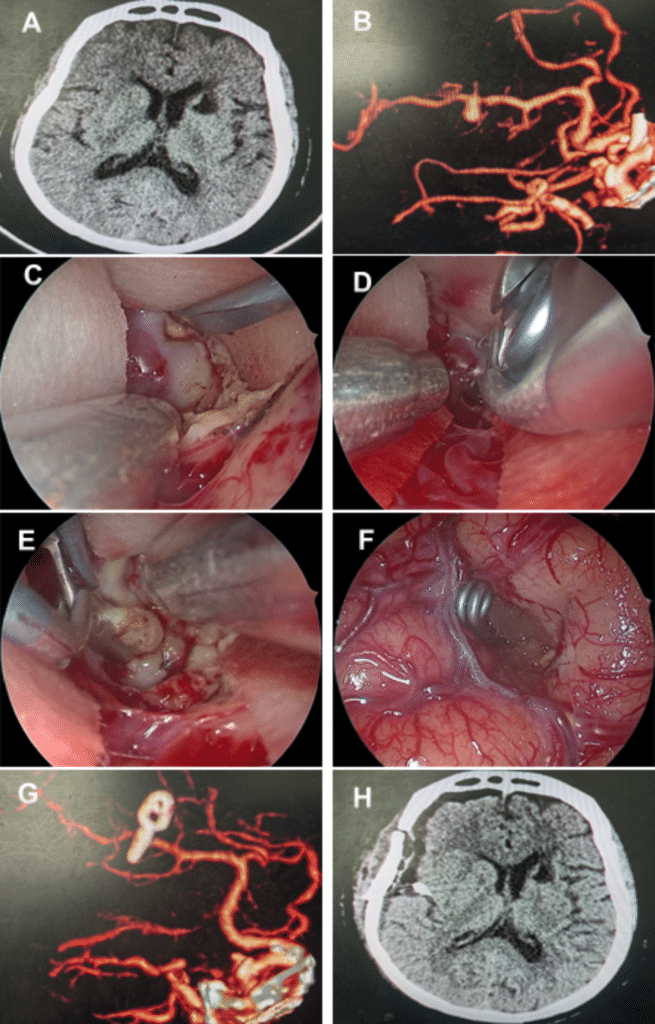
Two established approaches for treating selected cerebral aneurysms are microsurgical clipping and endovascular treatment. The most suitable option depends on the aneurysm’s anatomy, rupture status, the patient’s condition, and the expertise and facilities available.
Microsurgical clipping
Microsurgical clipping involves an operation in which a surgeon accesses the aneurysm and places a small clip at its base to prevent blood from entering it. This separates the aneurysm from the circulation while preserving blood flow through the parent vessel as far as possible. Clipping requires careful surgical planning. Its suitability depends on the aneurysm’s location and shape, surrounding structures, the patient’s health, and other clinical factors.
Endovascular coiling
Endovascular coiling is performed from inside the blood vessels. A specialist guides a catheter through the vascular system to the aneurysm and places small coils inside it. These coils encourage clot formation within the aneurysm and help reduce blood flow into the bulging area. Some aneurysms may be suitable for additional endovascular devices or techniques. The choice depends on their anatomy and the clinical situation.
Choosing the right treatment
Clipping and endovascular treatment differ in how the aneurysm is reached and treated. Neither method is automatically the best option for every patient. Each has potential benefits, limitations, and risks, and some patients may not be suitable for either approach.
When considering Cerebral Aneurysm Surgery in Bhopal, patients should ask the treating specialist why a particular approach is recommended, what alternatives may be available, and what follow-up care may be required. The final decision should be based on individual clinical findings and an informed discussion with the responsible medical team.
Treatment Options for Unruptured Cerebral Aneurysms
The risks and recovery process associated with Cerebral Aneurysm Surgery in Bhopal depend on whether the aneurysm has ruptured, the area of the brain affected, the treatment selected, and the patient’s overall health. Potential risks associated with microsurgical clipping or endovascular procedures may include bleeding, infection, blood vessel injury, stroke, or other neurological complications. These outcomes are not inevitable, and the risks vary from patient to patient. The treating team should explain the possible complications relevant to the proposed procedure and the patient’s medical condition. After treatment, care may include hospital monitoring, medication management, follow-up imaging, and specialist appointments. Some patients may need rehabilitation if the aneurysm or its treatment has affected movement, speech, balance, memory, or everyday activities. Patients should follow the treating team’s instructions and avoid changing or stopping medication without medical advice. Regular follow-up is important even after an aneurysm has been treated because further monitoring depends on the procedure and the patient’s individual circumstances.
fAQ's
Frequently asked Questions❔
General information only. A consultation is needed for advice about an individual condition.
A cerebral aneurysm is a weakened area in a brain blood vessel that bulges outward. It may not cause symptoms, but if it ruptures, it can lead to bleeding around the brain and become life-threatening. Early diagnosis and appropriate medical assessment help determine whether monitoring or treatment is needed.
Cerebral Aneurysm Surgery in Bhopal may be considered when an aneurysm has ruptured or when preventive treatment is appropriate for an unruptured aneurysm. The decision depends on its size, shape, location, rupture risk, and the patient's overall health. A neurosurgical assessment helps determine the suitable approach.
You can contact Dr. Harshad Patil to enquire about routine consultation arrangements. When meeting a Cerebral Aneurysm Doctor in Bhopal, bring available brain scan reports, previous medical records, and a list of current medicines. If a rupture is suspected, seek emergency medical care immediately instead of waiting for an appointment.
A Cerebral Aneurysm Specialist in Bhopal can help explain your diagnosis and the findings from imaging tests. Ask about the aneurysm's size and location, the estimated risk of rupture, available treatment options, possible complications, and the recommended follow-up schedule. Treatment decisions should be based on your individual clinical condition.
A Cerebral Aneurysm Surgeon in Bhopal may review imaging results, the aneurysm's shape and location, whether it has ruptured, your medical history, and your general health. This assessment helps the treating team compare the potential benefits and risks of microsurgical clipping, endovascular treatment, or monitoring.
Brain Aneurysm Treatment in Bhopal may include regular imaging follow-up, management of risk factors such as high blood pressure, microsurgical clipping, or endovascular procedures such as coiling. Not every aneurysm requires surgery. The appropriate option depends on the aneurysm's characteristics and the patient's individual circumstances.
A Cerebral Aneurysm Treatment Specialist in Bhopal can explain the diagnosis, discuss suitable treatment approaches, and help patients understand the possible benefits, limitations, and risks of each option. Patients should also ask about recovery expectations, follow-up imaging, and any changes needed to support their overall vascular health.
No. Some unruptured aneurysms can be monitored with regular imaging and appropriate risk-factor management, while others may benefit from preventive treatment. The decision depends on factors such as aneurysm size, location, shape, evidence of growth, family history, and overall health. Follow your treating specialist's recommendations for monitoring.