- Home
- Spondylolisthesis Treatment
Spondylolisthesis Treatment in bhopal
Care for vertebrae that have slipped out of alignment.
Overview
Persistent lower back pain, discomfort while standing, or pain that travels down the legs can interfere with everyday activities. In some cases, these symptoms may be associated with spondylolisthesis, a spinal condition in which one vertebra slips forward relative to the vertebra beneath it. The severity of the condition and its effect on nearby nerves can vary from person to person. If you are exploring Spondylolisthesis Treatment in Bhopal, understanding the cause of your symptoms is an important first step. Dr. Harshad Patil holds MBBS, MS (General Surgery), and M.Ch. (Neurosurgery) qualifications. A professional neurosurgical consultation can help you understand your examination findings, relevant imaging reports, and available treatment options. Some people with spondylolisthesis have no noticeable symptoms and may not require active treatment. Others may need monitoring, physiotherapy, pain management, or further specialist assessment. Surgery is considered only in selected cases after evaluating the individual’s condition. The goal of an assessment is to identify the likely cause of your symptoms and develop an appropriate care plan based on your medical needs.
Brain Tumor & Brain Surgery
Discuss this with the clinic
We bring the right people together to challenge established thinking and drive transform in 2020
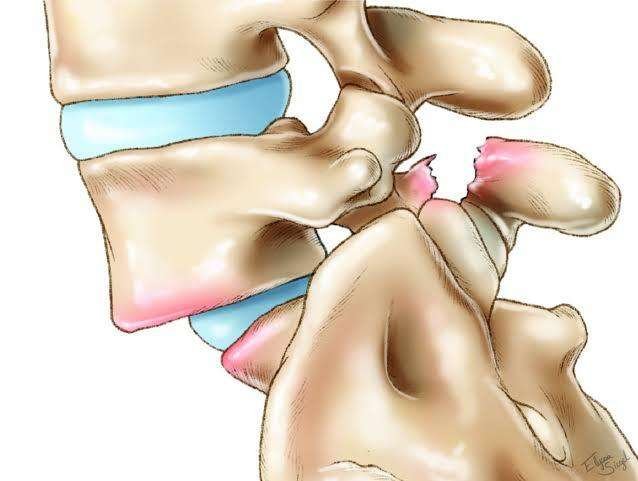
What Is Spondylolisthesis?
The spine is made up of small bones called vertebrae. These bones support the body, help maintain posture, and protect the spinal cord and nearby nerves. Between many of the vertebrae are discs and joints that help the spine move while providing support. Spondylolisthesis occurs when one vertebra moves forward in relation to the vertebra below it. This movement may be mild or more pronounced. In some people, it does not cause symptoms. In others, it can contribute to back pain, altered spinal mechanics, or pressure on nearby nerves. When a nerve becomes irritated or compressed, pain may travel from the lower back into the buttocks or legs. Some people also experience tingling, numbness, or weakness. These symptoms can affect walking, standing, working, and other routine activities.
Common Types and Causes of Spondylolisthesis
Spondylolisthesis can develop for different reasons. Identifying the likely type helps the treating clinician understand the condition and consider suitable options.
1. Degenerative spondylolisthesis
As people age, the spinal discs and joints may gradually change. These changes can reduce the support provided to the vertebrae and allow one bone to slip relative to another. Degenerative changes are a common cause in adults and may occur alongside spinal canal or nerve-opening narrowing.
2. Isthmic spondylolisthesis
This type is associated with a defect or stress-related injury in a small part of a vertebra known as the pars interarticularis. The defect may develop during growth or following repeated stress on the spine. Some people discover it after developing back pain or symptoms during physical activity.
3. Congenital or developmental factors
Some people are born with differences in the shape or development of spinal structures that make vertebral slippage more likely. Symptoms may appear during childhood, adolescence, or adulthood, depending on the individual circumstances.
4. Traumatic spondylolisthesis
A significant injury or fracture involving spinal structures can sometimes cause a vertebra to move out of its usual alignment. This requires assessment based on the nature of the injury and the person's symptoms.
5. Less common causes
Certain bone conditions or other disorders that weaken spinal structures may contribute to vertebral slippage. The cause cannot always be established from symptoms alone, so clinical assessment and appropriate investigations may be needed.
Symptoms That May Need Medical Assessment
Symptoms depend on the degree of vertebral movement, the spinal level involved, and whether nearby nerves are affected. Some people have no symptoms, while others experience discomfort that affects their routine.
Possible symptoms include:
- Persistent lower back pain: Pain may worsen with particular movements, prolonged standing, or certain activities.
- Pain travelling into the legs: Discomfort may spread through the buttocks and down one or both legs if nerves are irritated.
- Tingling or numbness: A compressed or irritated nerve can cause unusual sensations in the legs or feet.
- Leg weakness: Some people experience reduced strength, depending on the nerves involved.
- Hamstring tightness: Tightness in the muscles at the back of the thighs may occur in some cases.
- Difficulty standing or walking: Symptoms may become more noticeable during prolonged activity.
- Reduced ability to perform daily tasks: Pain or stiffness can make bending, lifting, or other movements uncomfortable.
How Is Spondylolisthesis Diagnosed?
An accurate diagnosis involves understanding the person’s symptoms and examining how the spine and nervous system are functioning. A scan is useful, but it should not be interpreted in isolation.
Medical history and physical examination
During a consultation, the clinician may ask when the pain started, where it travels, which activities make it worse, and whether you have experienced numbness, weakness, or changes in walking. Previous injuries, medical conditions, treatments, and relevant reports may also be reviewed. A physical and neurological examination may assess movement, muscle strength, sensation, reflexes, and other findings relevant to the symptoms.Imaging investigations
Depending on the clinical findings, investigations may include:- X-rays: These can show vertebral alignment and help assess the degree of slippage. Special views may be considered when clinically appropriate.
- MRI: Magnetic resonance imaging can provide information about discs, nerves, and other soft tissues. It may help identify nerve compression when symptoms suggest it.
- CT scan: Computed tomography provides detailed images of bone and may be useful in selected cases, including when a bony defect or fracture needs further assessment.
- Other investigations: Additional tests may be considered if the symptoms or medical history suggest another underlying problem.
Available Treatment Options
The approach to Spondylolisthesis Treatment in Bhopal depends on the cause and degree of vertebral slippage, pain severity, nerve involvement, spinal stability, general health, and response to previous care. Many patients can begin with nonsurgical management.
Activity modification
A clinician may recommend adjusting activities that consistently aggravate symptoms while maintaining safe, appropriate movement. The goal is not necessarily to stop all activity, but to identify manageable ways to remain active without worsening the problem. Advice may include changes to lifting technique, prolonged standing, or activities that place excessive strain on the back. Recommendations should be tailored to the person’s condition.
Physiotherapy and individualised exercises
Physiotherapy may help some patients improve mobility, strength, posture, and movement control. A suitable programme depends on the person’s symptoms, examination findings, and physical capabilities. Not every exercise is appropriate for every spinal condition. Patients should seek guidance from a qualified clinician or physiotherapist rather than starting a demanding routine based solely on online advice.
Medication and pain management
An appropriate clinician may recommend medication to help manage pain or related symptoms. The choice depends on the person’s health, existing medicines, possible side effects, and other medical considerations. Do not start, stop, or change prescribed medication without suitable medical advice.
Monitoring and follow-up
If symptoms are mild and there are no concerning neurological findings, monitoring may be appropriate. Follow-up helps the treating team assess changes in symptoms, everyday function, and the need for further investigation or treatment.
Other conservative measures
Depending on the individual assessment, the clinician may discuss additional nonoperative approaches. The choice should reflect the likely cause of the symptoms and the available evidence, rather than a one-size-fits-all plan.
When Might Surgery Be Considered?
Surgery may be considered when symptoms remain significantly limiting despite appropriate nonsurgical treatment, when nerve compression produces concerning neurological problems, or when spinal instability and other findings support an operation. A decision about Spondylolisthesis Surgery in Bhopal should follow a careful review of symptoms, physical examination findings, imaging, general health, and previous treatment. The clinician should explain the potential benefits, risks, alternatives, and likely recovery considerations.
Surgery is not necessary for every patient with vertebral slippage. It also cannot guarantee complete pain relief, because the result depends on several factors, including the source of the symptoms and the condition of the nerves and spine. Patients should have an opportunity to ask questions and understand why an operation is being considered before making a decision.
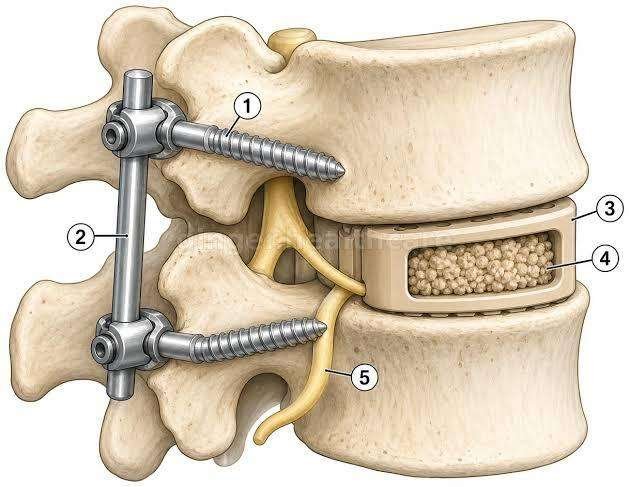
What Is Involved in Spondylolisthesis Surgery?
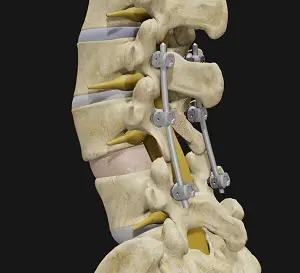
The type of operation, if needed, depends on the spinal level, the amount and cause of slippage, nerve compression, spinal stability, and the patient’s health. In selected cases, surgery may involve decompression, which means creating more space for compressed nerves. If the spine is unstable or other findings justify it, the surgical plan may also include spinal stabilisation or fusion. Fusion aims to join selected vertebrae so that they move less relative to each other.
These procedures are not interchangeable, and not every patient requires the same combination. The appropriate plan is based on individual clinical findings rather than the diagnosis alone. Before an operation, the treating team should discuss the proposed procedure, expected goals, potential complications, alternative treatments, and postoperative care. Patients should also ask about activity restrictions, rehabilitation, follow-up, and how the procedure may affect work or daily routines. A consultation can help clarify whether surgical assessment is appropriate and what additional information may be needed before a decision is made.
fAQ's
Frequently asked Questions❔
General information only. A consultation is needed for advice about an individual condition.
Spondylolisthesis occurs when one vertebra slips forward relative to the vertebra below it. It may cause lower back pain, leg pain, numbness, or tingling if nearby nerves are affected. Some people have no symptoms and may only discover the condition during imaging.
Consider seeking Spondylolisthesis Treatment in Bhopal if persistent back pain, discomfort travelling into the legs, or difficulty standing and walking affects your daily activities. A medical assessment can help identify the cause and determine whether monitoring, physiotherapy, or further specialist care may be appropriate.
You can contact Dr. Harshad Patil at +91 7554086000 to enquire about a consultation. Bring previous medical records, prescriptions, and imaging reports if available. Confirm the appointment time and consultation location before visiting.
During your appointment, discuss your symptoms, how long you have experienced them, and whether they affect your daily activities. A Spondylolisthesis Specialist in Bhopal can review relevant examination findings and imaging to explain possible causes, suitable treatment options, and whether further investigations are needed.
Spondylolisthesis Surgery in Bhopal may be considered when symptoms remain significantly limiting despite appropriate nonsurgical treatment or when nerve compression or spinal instability warrants surgical evaluation. Surgery is not necessary for every patient, and the decision depends on individual clinical findings.
A Spondylolisthesis Surgeon in Bhopal may review your symptoms, perform a neurological examination, and assess relevant imaging, such as an MRI when indicated. These findings help determine whether nerve compression may explain your symptoms and whether further treatment should be considered.
A Spondylolisthesis Treatment Specialist in Bhopal can discuss your medical history, symptoms, examination results, and available investigations. The consultation may help you understand your diagnosis, compare treatment options, and make informed decisions based on your individual needs.
Yes. Many cases can be managed without surgery, depending on the severity of symptoms, spinal stability, and nerve involvement. Options may include activity modification, guided physiotherapy, appropriate pain management, and regular follow-up. Your clinician can recommend a suitable plan after assessing your condition.