- Home
- Laminectomy Surgery
Laminectomy Surgery in bhopal
Removing part of a vertebra to relieve pressure on nerves or the spinal cord.
Overview
Persistent back or neck pain, numbness, tingling or weakness can make everyday activities difficult. These symptoms sometimes occur when the spinal canal becomes narrower and places pressure on the spinal cord or nearby nerves. Depending on the cause and severity, a doctor may recommend medication, physiotherapy, further investigations or surgical treatment. Laminectomy Surgery in Bhopal is a treatment option that may be considered when removing part of the bone at the back of a vertebra can create more space for compressed nerves. The procedure is not necessary for every person with back pain. Its suitability depends on the diagnosis, symptoms, examination findings and response to previous treatment.
Dr. Harshad Patil is a neurosurgeon practising in Bhopal, Madhya Pradesh. His qualifications include MBBS, MS in General Surgery and M.Ch. in Neurosurgery. He completed his MBBS at Terna Medical College & Hospital in Navi Mumbai, his MS at Dr. Vasantrao Pawar Medical College & Hospital in Nashik, and his M.Ch. at Sri Aurobindo Medical College and PG Institute in Indore. A consultation can help patients understand what may be causing their symptoms and whether further assessment or treatment is needed. The aim is to make an informed decision based on individual medical findings rather than assuming that surgery is the right choice for everyone.
Understanding Laminectomy Surgery
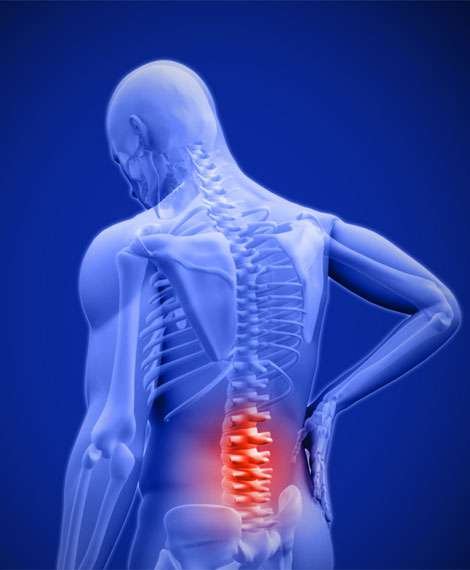
The spine consists of vertebrae that protect the spinal cord and support movement. At the back of each vertebra is a section of bone called the lamina. Together with other structures, these bones help form and protect the spinal canal, where the spinal cord and nerve roots pass. During a laminectomy, a surgeon removes part or, when necessary, all of the lamina from the affected vertebra. This creates additional space in the spinal canal and may reduce pressure on nerves or the spinal cord. The procedure is commonly associated with spinal stenosis, a condition in which the spinal canal or spaces around the nerves become narrower. Narrowing may develop because of age-related changes, thickened ligaments, bone overgrowth or other structural problems. Laminectomy Surgery in Bhopal may be discussed when the symptoms and investigations indicate that surgical decompression could help. However, the exact procedure depends on the location of the compression, the structures involved and whether the spine is stable.
How is laminectomy different from spinal fusion?
Laminectomy primarily aims to relieve pressure on nerves by removing bone or other structures that contribute to compression. Spinal fusion, by contrast, joins two or more vertebrae to stabilize a selected section of the spine. Some patients may need decompression alone. In selected cases, fusion may also be considered if there is spinal instability or if the planned decompression could compromise stability. Fusion is not automatically required with every laminectomy.
Common Symptoms That May Require spinal Evaluation
Symptoms depend on the part of the spine affected and the degree of pressure on nearby nerves. Some people experience discomfort that develops gradually, while others notice changes in sensation, strength or walking ability.
Possible symptoms include:
- Persistent lower back or neck pain
- Pain spreading into the buttock, leg, shoulder or arm
- Tingling or numbness in the hands, feet or limbs
- Muscle weakness
- Difficulty walking or standing for extended periods
- Leg discomfort that increases during walking and improves when sitting or bending forward
- Changes in balance or coordination in some cases
These symptoms can occur with several spinal conditions and do not automatically mean that an operation is needed. If symptoms persist, worsen or interfere with everyday activities, a Laminectomy Surgeon in Bhopal can assess whether further investigation is appropriate. A Laminectomy Doctor in Bhopal may also review previous treatment and help identify whether the symptoms suggest nerve compression or another problem. Seek emergency medical attention if you develop new bladder or bowel control problems, difficulty passing urine, numbness around the groin or saddle region, or rapidly worsening weakness. These can be warning signs of serious nerve compression and should not wait for a routine appointment.
Conditions That May Be Treated With Laminectomy
Laminectomy
Laminectomy is a decompression procedure, so it is considered when removing bone or other compressive structures may create more room for nerves. The treatment depends on the underlying diagnosis and the findings of a clinical assessment.
Spinal stenosis
Spinal stenosis is narrowing of the spinal canal or the openings through which nerves pass. It can develop in the lower back or neck. When narrowing causes significant symptoms, a surgeon may consider decompression.
Nerve compression
Pressure on spinal nerves can cause pain, tingling, numbness or weakness. The cause of compression needs to be identified before treatment is selected.
Selected herniated disc cases
A herniated disc occurs when disc material extends beyond its usual boundary and may irritate or compress a nerve. Some patients may benefit from a discectomy or another targeted procedure. Laminectomy may be included when additional space is needed, but it is not necessary in every disc herniation.
Degenerative spinal changes
Age-related changes can include bone overgrowth, thickened ligaments and changes in the joints. These may contribute to narrowing around the spinal cord or nerve roots. A Laminectomy Specialist in Bhopal can explain whether the findings support decompression or whether another treatment approach is more appropriate. The decision should consider symptoms, neurological examination, imaging and the response to suitable nonsurgical treatment.
Diagnosis and Assessment Before Surgery
Before recommending an operation, the doctor needs to understand the cause of the symptoms and identify the structures involved. Assessment generally combines medical history, physical examination and investigations when indicated.
Medical history
The doctor may ask when the symptoms began, how they have changed, what makes them better or worse, and whether previous treatment has helped. Relevant medical conditions, previous spinal procedures and current medications may also be reviewed.
Physical and neurological examination
The examination may assess muscle strength, sensation, reflexes, movement, balance and walking. These findings help the clinician understand whether the spinal cord or nerve roots may be affected.
Imaging tests
Depending on the suspected condition, investigations may include:
- MRI: Provides detailed information about discs, nerves, the spinal cord and soft tissues.
- X-rays: Help assess spinal alignment and selected structural changes.
- CT scans: Provide detailed images of bones and may assist with surgical planning.
Not everyone requires every test. The choice depends on symptoms, examination findings and existing medical records. Laminectomy Surgery in Bhopal should only be considered after the available findings have been reviewed together. An abnormal scan does not necessarily mean that the changes are responsible for the patient’s symptoms or that surgery is required.
Laminectomy Treatment in Bhopal
Treatment depends on the cause of compression, symptom severity, neurological findings and the effect on daily life. Many patients can initially be managed without surgery, depending on their condition.
Nonsurgical treatment options
A clinician may consider:
- Activity modification to reduce movements that aggravate symptoms
- Medication prescribed or recommended according to individual needs
- Physiotherapy and rehabilitation
- Exercises selected by a qualified professional
- Follow-up to monitor symptoms and neurological function
- Further investigation if symptoms change or fail to improve
Patients should not begin an intensive exercise programme or change prescribed medication without appropriate professional advice, particularly when weakness or other neurological symptoms are present.
When conservative care may not be enough
Further specialist assessment may be appropriate if symptoms remain disabling despite suitable nonsurgical treatment or if examination and imaging indicate significant nerve compression. A Laminectomy Specialist in Bhopal can explain the potential benefits and limitations of conservative treatment and surgical decompression. The choice should be individualized, and surgery should not be presented as the only option for every patient.
When Is Laminectomy Surgery Recommended?
Surgery may be considered when the clinical findings indicate that relieving pressure on the spinal cord or nerve roots could improve the patient’s condition. The decision depends on the severity of symptoms, the underlying diagnosis, examination findings and the response to previous treatment.
Possible reasons for considering surgery include:
- Persistent, function-limiting symptoms associated with spinal stenosis
- Significant nerve compression confirmed by appropriate assessment
- Certain neurological deficits related to compression
- Symptoms that have not improved sufficiently with suitable nonsurgical treatment
- Selected conditions in which timely decompression is clinically necessary
A Laminectomy Surgery Specialist in Bhopal should discuss why the operation is being considered, what alternatives exist and what the likely benefits and risks are for the individual patient.
The timing of treatment matters when neurological function is deteriorating. New bladder or bowel dysfunction, saddle numbness or rapidly worsening weakness requires urgent medical evaluation rather than waiting for a routine appointment.
Types of Laminectomy and Spinal Decompression Procedures
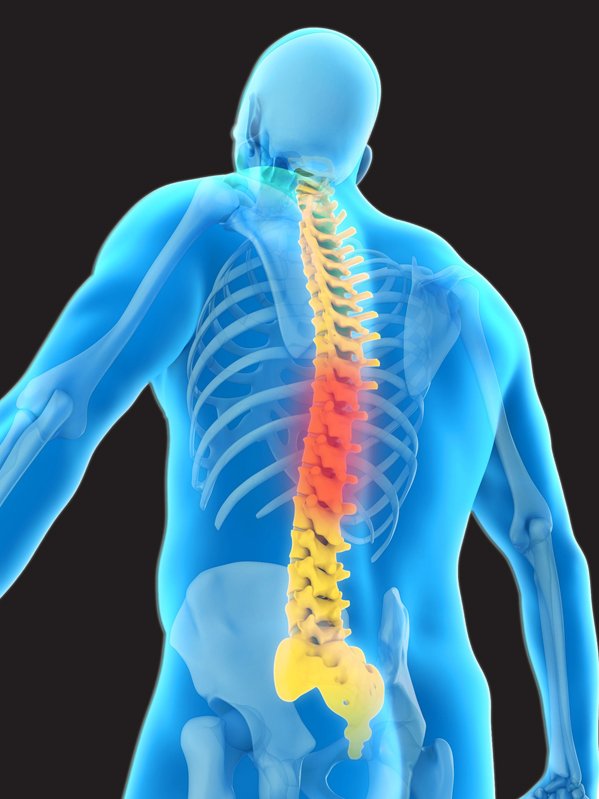
The procedure depends on the affected spinal region, the location of compression and the patient’s anatomy. The following are general descriptions of procedures used in spinal care; they do not confirm that every technique is offered by a particular clinician.
- Lumbar laminectomy : Lumbar laminectomy involves removing part of the lamina in the lower back to create more space around compressed nerves. It may be considered for selected patients with lumbar spinal stenosis or related conditions.
- Cervical laminectomy : Cervical laminectomy involves decompression in the neck. It may be considered in selected cases when narrowing places pressure on the spinal cord or nerves.
- Laminectomy with other procedures : Depending on the diagnosis, decompression may be combined with removal of disc material or another procedure. Fusion may be considered in selected cases where stabilization is necessary.
The choice depends on the level of compression, spinal alignment, stability and overall treatment goals. Patients researching Spinal Decompression Surgery in Bhopal should ask which procedure is being considered and why it is appropriate for their particular condition.
fAQ's
Frequently asked Questions❔
General information only. A consultation is needed for advice about an individual condition.
Laminectomy removes part or all of the lamina to create more space around compressed spinal nerves or the spinal cord. It may be considered for selected cases of spinal stenosis and other conditions causing significant compression.
Consider a specialist assessment if persistent back or neck symptoms, radiating pain, numbness or weakness interfere with daily activities. A clinician can assess whether further investigations or treatment are needed.
No. Treatment depends on the severity of symptoms and the findings of clinical assessment. Some people can be managed without surgery, while others may need decompression if significant symptoms or nerve compression justify it.
Laminectomy removes bone to relieve pressure on nerves. Fusion joins vertebrae to stabilize a section of the spine. Fusion may be considered in selected cases but is not automatically required with every decompression procedure.
Recovery depends on the procedure, the underlying condition and individual healing. The treating team can provide guidance about activity, wound care and follow-up based on the patient's circumstances.
Costs can depend on the procedure, investigations, anaesthesia, hospital stay, medicines and follow-up care. Request an itemized estimate from the relevant healthcare provider after the treatment plan has been established.
Potential risks include infection, bleeding, nerve injury, cerebrospinal fluid leakage and persistent symptoms. Spinal instability may occur in selected cases. Individual risks should be discussed with the treating surgeon.
Review the clinician's qualifications, confirm the consultation arrangements and bring your medical records and imaging. Ask about the diagnosis, available alternatives, potential risks and the reason for recommending surgery.