- Home
- Discectomy Surgery
Discectomy Surgery in bhopal
Removing the part of a disc pressing on a nerve.
Overview
Back pain that travels down the leg or neck pain that spreads into the arm can make everyday activities uncomfortable. These symptoms sometimes occur when a spinal disc bulges or herniates and puts pressure on a nearby nerve. Although many patients improve with nonsurgical treatment, some may need a specialist assessment to understand whether an operation is appropriate. Discectomy Surgery in Bhopal may be considered when a portion of a damaged or herniated disc compresses a spinal nerve and causes persistent symptoms. The procedure involves removing the problematic disc material to relieve pressure. Whether surgery is suitable depends on the patient’s symptoms, examination, imaging findings and response to previous treatment.
Dr. Harshad Patil is a neurosurgeon practising in Bhopal, Madhya Pradesh. He holds MBBS, MS in General Surgery and M.Ch. in Neurosurgery qualifications. His medical education includes Terna Medical College & Hospital in Navi Mumbai, Dr. Vasantrao Pawar Medical College & Hospital in Nashik, and Sri Aurobindo Medical College and PG Institute in Indore. A consultation can help patients understand their symptoms, review available medical reports and discuss appropriate treatment options. Surgery is not necessary for every slipped disc, and treatment should be based on an individual clinical assessment.
Understanding Discectomy Surgery
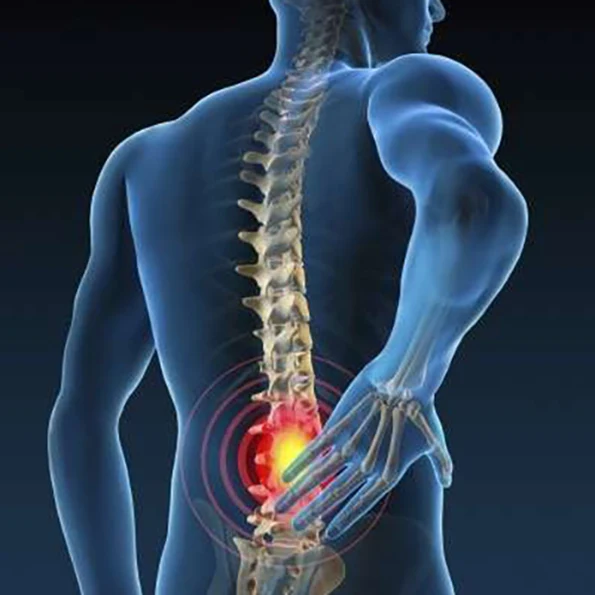
The spine consists of vertebrae separated by soft, cushion-like structures called intervertebral discs. These discs help absorb pressure and allow the spine to move. Each disc has a tough outer layer and a softer inner portion. A herniated disc occurs when disc material extends beyond its normal boundary. If the material irritates or compresses a nearby nerve, it can cause pain, tingling, numbness or weakness. A disc herniation can occur in the lower back or neck. During a discectomy, a surgeon removes the portion of disc material responsible for compressing a nerve. The objective is to reduce nerve pressure and improve symptoms associated with that compression. Discectomy Surgery in Bhopal may be discussed when clinical findings suggest that removing the affected disc material could help. The appropriate technique depends on the location of the herniation, the patient’s anatomy and the degree of nerve involvement.
Discectomy versus microdiscectomy
The spine consists of vertebrae separated by soft, cushion-like structures called intervertebral discs. These discs help absorb pressure and allow the spine to move. Each disc has a tough outer layer and a softer inner portion. A herniated disc occurs when disc material extends beyond its normal boundary. If the material irritates or compresses a nearby nerve, it can cause pain, tingling, numbness or weakness. A disc herniation can occur in the lower back or neck. During a discectomy, a surgeon removes the portion of disc material responsible for compressing a nerve. The objective is to reduce nerve pressure and improve symptoms associated with that compression. Discectomy Surgery in Bhopal may be discussed when clinical findings suggest that removing the affected disc material could help. The appropriate technique depends on the location of the herniation, the patient’s anatomy and the degree of nerve involvement.
When Should You Consult a Discectomy Specialist in Bhopal?
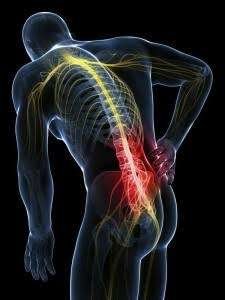
Not every slipped disc requires specialist surgery. Many herniated discs improve over time, and treatment may begin with conservative measures when the clinical situation allows.
Consider arranging a medical assessment if you experience:
- Persistent back or neck pain that limits daily activities.
- Pain travelling into an arm or leg.
- Ongoing numbness or tingling.
- New or worsening muscle weakness.
- Symptoms that have not improved with appropriate initial treatment.
- Recurrent symptoms affecting mobility or normal function.
A Discectomy Specialist in Bhopal can evaluate whether your symptoms may be related to nerve compression and whether imaging or further treatment is needed. The purpose of the assessment is to identify the cause of the problem rather than assume that surgery is the answer. A Spine Surgeon in Bhopal may also assess patients who have received an MRI report suggesting disc herniation. The scan should be interpreted alongside the symptoms and physical examination because some people have disc changes without related pain.
Diagnosis Before Discectomy Surgery
Before deciding on an operation, the doctor needs to identify the affected spinal level and determine whether the disc abnormality is likely to explain the symptoms.
Medical history
The assessment may cover when the pain started, whether it spreads into an arm or leg, which activities aggravate it and whether previous treatment has helped. Information about existing medical conditions, medication and previous spinal procedures may also be relevant.
Physical and neurological examination
The examination may include assessment of muscle strength, sensation, reflexes, movement and walking. These findings can help identify possible nerve involvement and determine whether additional investigations are needed.
MRI and other investigations
MRI is commonly used when detailed information about discs, nerves and surrounding soft tissues is required. X-rays or CT scans may be considered in selected circumstances to assess other structural concerns. Not everyone needs every imaging test. The choice depends on the symptoms, examination findings and suspected diagnosis. Discectomy Surgery in Bhopal should be considered only after the available findings have been reviewed together. An MRI report alone does not determine whether surgery is required.
Discectomy Treatment in Indore
Treatment depends on the location of the herniation, the severity of symptoms, the degree of nerve involvement and the patient’s general health.
Nonsurgical treatment options
When appropriate, treatment may include:
- Modifying activities that aggravate symptoms.
- Medication guided by a qualified clinician.
- Physiotherapy and rehabilitation.
- Exercises selected according to the patient’s condition.
- Follow-up to monitor symptoms and neurological function.
The appropriate plan varies between patients. Do not start an intensive exercise programme or change prescribed medication without professional guidance, especially if you have weakness or worsening neurological symptoms. Many patients improve without an operation. Others may need additional assessment if symptoms persist or if examination findings suggest significant nerve compression. Discectomy Treatment in Bhopal should be individualized rather than based on a single scan finding. A Discectomy Specialist in Bhopal can discuss the potential benefits and limitations of nonsurgical care and explain when a surgical opinion may be appropriate.
When Is Discectomy Surgery Recommended?
Surgery may be considered when a herniated disc causes significant nerve compression and symptoms remain disabling despite suitable nonsurgical treatment. In selected cases, a progressive neurological problem may also affect the timing of treatment.
Factors considered before recommending surgery include:
- The severity and duration of symptoms.
- Whether pain, numbness or weakness follows a pattern consistent with nerve compression.
- Findings from the physical and neurological examination.
- MRI or other imaging results, when indicated.
- The response to previous treatment.
- The patient’s general health and preferences.
A Discectomy Surgery Specialist in Bhopal should explain why surgery is being considered, what alternatives exist and what benefits and risks may apply to the individual case. A Neurosurgeon for Discectomy in Bhopal can assess whether the clinical findings support a surgical opinion. However, the need for an operation can only be determined after an appropriate evaluation. Surgery should not be presented as the only option for every slipped disc. The decision should involve an informed discussion between the patient and treating clinician.
Brain Tumor Treatment in Bhopal: Personalised Treatment Options
There is no single treatment for every patient. The plan depends on tumor type, grade, size, location, your age and your overall health. Our options include:
- Observation with regular scans for small, slow-growing tumors that cause no symptoms.
- Surgery, the main treatment for most brain tumors.
- Radiotherapy or radiosurgery for residual, recurrent or inoperable tumors.
- Chemotherapy for certain malignant tumors, in coordination with oncologists.
- Medicines to control brain swelling, seizures and pain.
- Rehabilitation to restore movement, speech and daily function.
The goal of every plan is to remove or control the tumor as safely as possible while protecting your ability to speak, move, see and think.
What to Expect:Your Journey With Us
The type of procedure depends on the affected spinal region, the location of the herniation and the relationship between the disc and nearby nerves.
Lumbar discectomy
A lumbar discectomy treats selected disc herniations in the lower back. It may be considered when disc material compresses a nerve and causes symptoms such as radiating leg pain or weakness.
Cervical discectomy
A cervical discectomy addresses problematic disc material in the neck. It may be considered when a cervical disc herniation compresses a nerve or, in some cases, contributes to pressure on the spinal cord.
Microdiscectomy
Microdiscectomy uses magnification and specialized instruments to remove the portion of disc material causing nerve compression. The approach may be suitable for selected patients, depending on the diagnosis and anatomy.
Patients researching Microdiscectomy Surgery in Bhopal should ask which approach is being considered and why it may be appropriate for their condition. The availability of a particular technique should be confirmed directly rather than assumed.
Recovery After Discectomy Surgery
Recovery varies according to the spinal region, procedure, severity of symptoms, general health and individual healing. Some patients notice changes in radiating pain before numbness or weakness improves, and nerve symptoms can take longer to settle.
Postoperative care
The clinical team may monitor pain, movement, wound healing and neurological function. The length of observation and discharge arrangements depend on the procedure and the patient’s condition.
Returning to daily activities
Patients should follow instructions about wound care, lifting, driving, exercise and other daily activities. A gradual return to normal movement may be recommended, with restrictions tailored to the operation and individual progress. Physiotherapy or rehabilitation may be advised when appropriate. Patients should not assume that every activity is safe immediately after surgery.
Follow-up appointments
Follow-up visits allow the treating clinician to review recovery and address ongoing symptoms. Contact the clinical team if pain worsens or unexpected symptoms develop. Severe new weakness, saddle numbness or bladder or bowel dysfunction requires emergency medical assessment. When discussing Discectomy Surgery in Bhopal, ask about the expected recovery process, activity restrictions and follow-up arrangements. A clinician can provide guidance based on the procedure being considered and the patient’s circumstances.
Benefits, Risks and Possible Complications
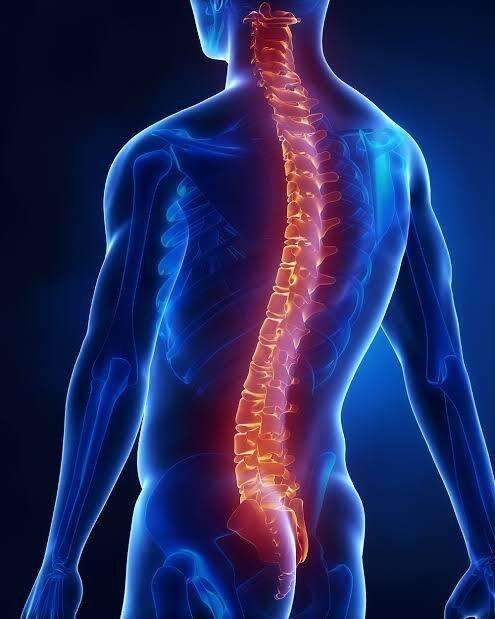
When a herniated disc is responsible for nerve compression, discectomy may help relieve radiating pain and other related symptoms in appropriately selected patients. The extent of improvement depends on the underlying condition, the duration and severity of compression, and individual healing.
The operation also has potential risks. These may include:
- Infection or bleeding.
- Injury to a nerve or nearby structure.
- A tear in the membrane surrounding the spinal nerves, potentially causing a cerebrospinal fluid leak.
- Persistent or recurring pain.
- Recurrent disc herniation.
- Scar tissue or continued nerve irritation.
- The need for further treatment or another operation.
The likelihood and significance of these complications vary according to the procedure and individual circumstances. Symptoms may not resolve completely, particularly when nerve damage or other causes of pain are present. Before agreeing to a Discectomy Operation in Bhopal, ask the treating surgeon to explain the anticipated benefits, relevant risks and reasonable alternatives. Make sure you understand what the operation is intended to achieve.
fAQ's
Frequently asked Questions❔
General information only. A consultation is needed for advice about an individual condition.
Discectomy is a surgical procedure that removes the portion of a herniated disc pressing on a nearby nerve. It may be considered when persistent pain, numbness or weakness does not improve with appropriate nonsurgical treatment, or when significant nerve compression requires surgical assessment. The decision depends on individual clinical findings.
When choosing a Discectomy Surgeon in Bhopal, review the doctor's qualifications, specialty and relevant professional background. Bring your MRI reports and medical history to the consultation, and ask about treatment alternatives, potential risks and expected recovery.
No. Many slipped discs improve without surgery. Discectomy Treatment in Bhopal may be considered when symptoms persist despite suitable conservative care or when clinical findings indicate significant nerve compression. A medical assessment helps determine the appropriate approach.
Both procedures involve removing problematic disc material to relieve pressure on a nerve. Microdiscectomy uses magnification and specialized instruments. A Discectomy Specialist in Bhopal can explain which approach may be appropriate based on the affected spinal level, imaging and symptoms.
Recovery varies according to the procedure, the location of the affected disc, symptom severity and individual health. A Discectomy Doctor in Bhopal can explain the expected recovery process, activity restrictions, follow-up appointments and whether rehabilitation may be recommended.
The cost may depend on the procedure, diagnostic investigations, anaesthesia, hospital stay, medicines and follow-up care. Before choosing a Discectomy Hospital in Bhopal, request an itemized estimate and confirm which services are included. Actual costs vary according to individual treatment requirements.
A Discectomy Operation in Bhopal may carry risks such as infection, bleeding, nerve injury, cerebrospinal fluid leakage, persistent symptoms or recurrent disc herniation. The risks depend on the patient's condition and the procedure. Discuss the potential benefits, complications and alternatives with the treating surgeon.
Consider consulting a Neurosurgeon for Discectomy in Bhopal if you have persistent pain radiating into an arm or leg, numbness, tingling or weakness that affects daily activities. New bladder or bowel dysfunction, numbness around the groin or rapidly worsening weakness requires emergency medical attention.