- Home
- Foraminotomy Surgery
Foraminotomy Surgery in bhopal
Widening the openings where nerve roots exit the spine.
Overview
Pain that travels from the neck into the arm or from the lower back into the leg can sometimes indicate irritation or compression of a spinal nerve. Some people also experience tingling, numbness or muscle weakness that interferes with walking, working or other everyday activities. Identifying the cause of these symptoms is important because several spinal conditions can produce similar problems. Foraminotomy Surgery in Bhopal may be considered when the opening through which a spinal nerve exits the spine becomes narrow and places pressure on the nerve. The procedure enlarges this opening to create more space for the affected nerve. Whether surgery is appropriate depends on the patient’s symptoms, examination findings, imaging and response to previous treatment.
Dr. Harshad Patil is a neurosurgeon practising in Bhopal, Madhya Pradesh. His qualifications include MBBS, MS in General Surgery and M.Ch. in Neurosurgery. He completed his medical education at Terna Medical College & Hospital in Navi Mumbai, Dr. Vasantrao Pawar Medical College & Hospital in Nashik, and Sri Aurobindo Medical College and PG Institute in Indore. A specialist consultation can help patients understand the possible cause of their symptoms and explore suitable treatment options. Surgery is not necessary for everyone with back pain, neck pain or a spinal disc problem.
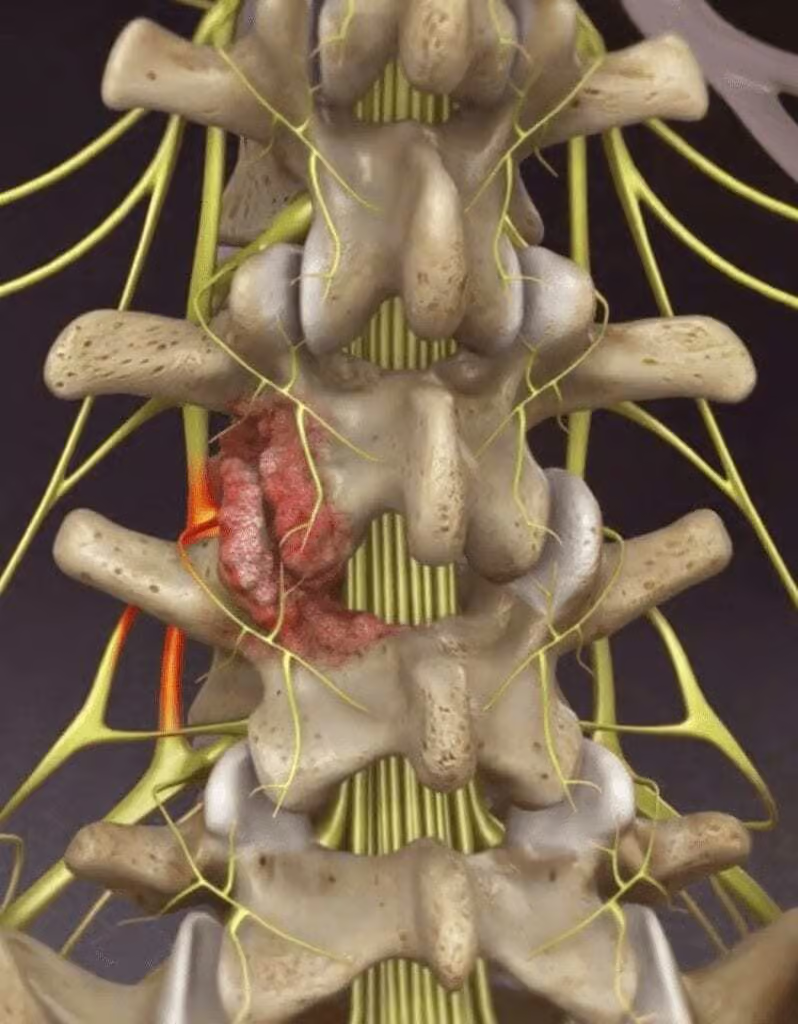
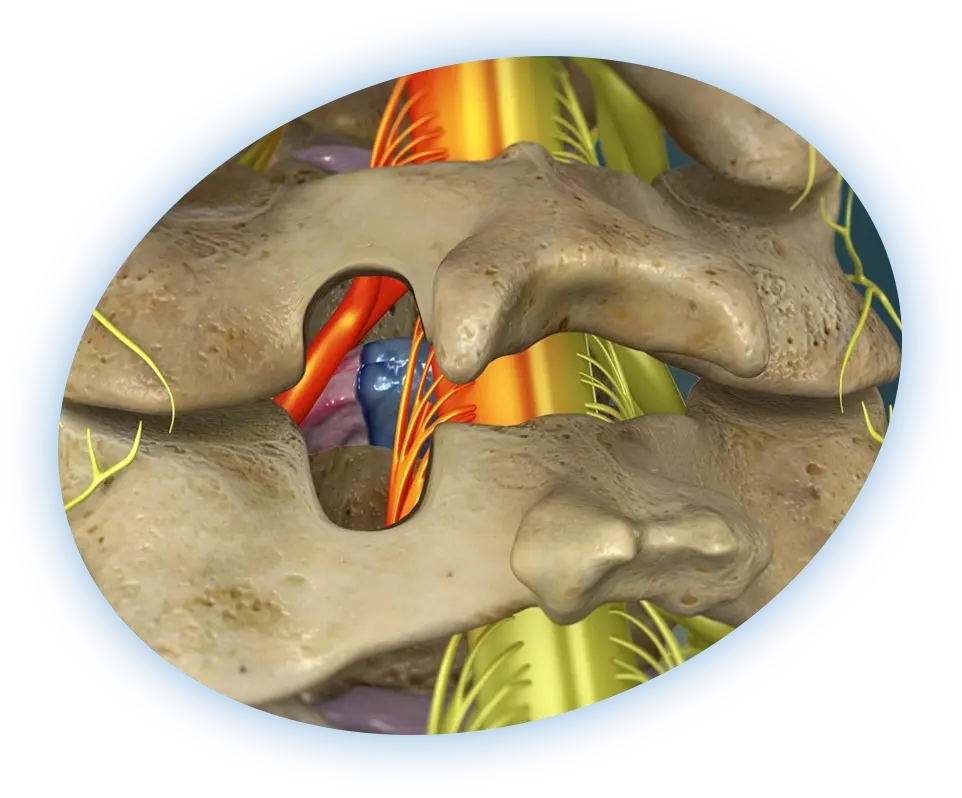
Understanding Foraminotomy and Spinal Nerve Compression
The spine is made up of a series of bones called vertebrae. Between these bones are intervertebral discs that help absorb pressure and allow movement. Small openings between neighbouring vertebrae, known as intervertebral foramina, allow spinal nerves to leave the spinal canal and travel to different parts of the body. These nerves carry signals related to movement and sensation. If an opening becomes narrower, a nerve passing through it may become compressed or irritated. This narrowing is called foraminal stenosis.
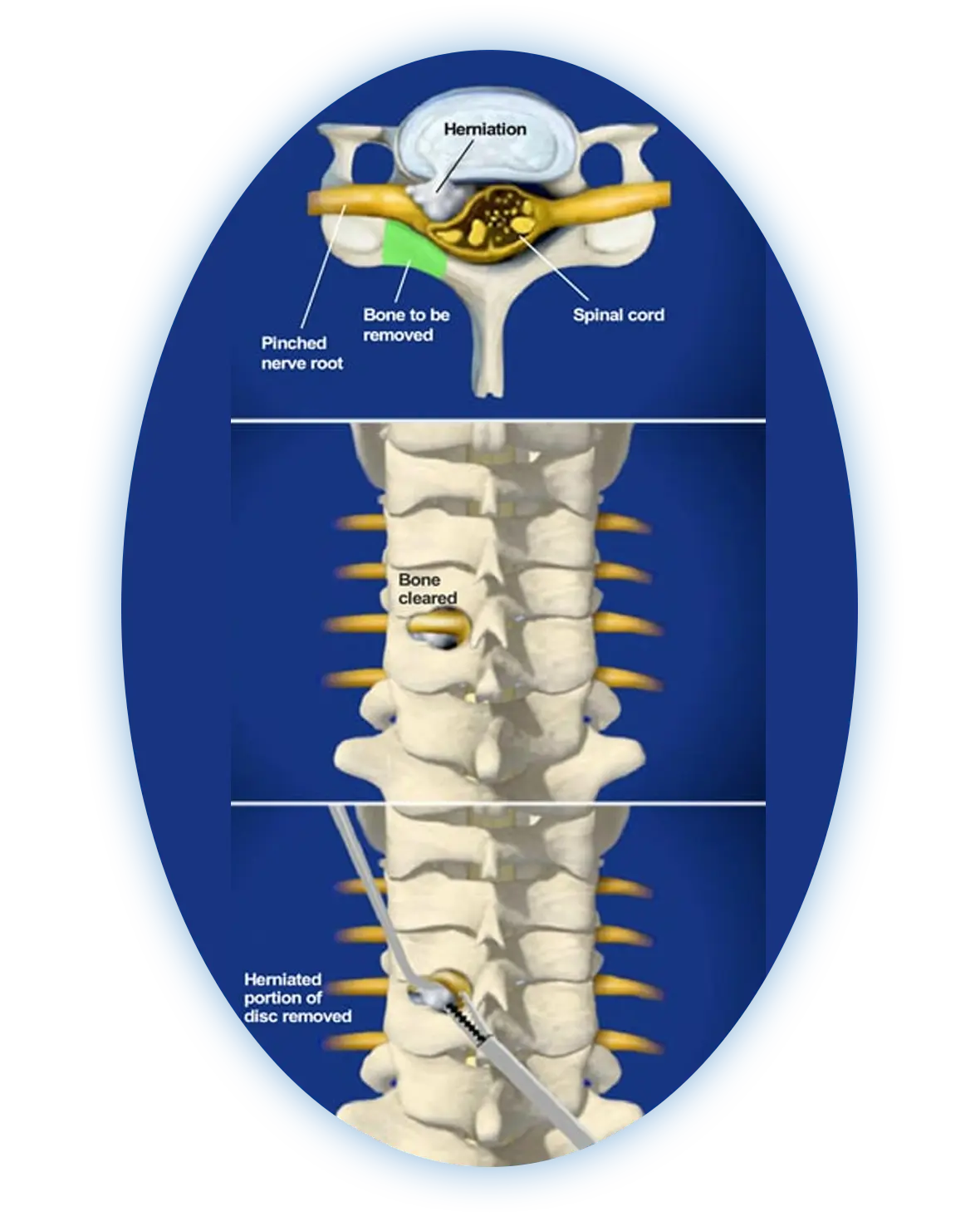
Several changes can contribute to narrowing, including age-related degeneration, bone spurs, changes in the joints, thickened tissues or a herniated disc. The location and severity of the narrowing influence the symptoms a person may experience. A foraminotomy is a surgical procedure that removes selected bone or other structures contributing to the narrowing. Its purpose is to create more space around the affected nerve. Foraminotomy Surgery in Bhopal may be discussed when clinical assessment indicates that this type of decompression could help address symptoms caused by nerve compression.
How is foraminotomy different from other spinal procedures?
Foraminotomy specifically enlarges the opening through which a spinal nerve exits. A laminectomy removes part of the lamina, the bone at the back of a vertebra, to create more room in the spinal canal. A discectomy removes problematic disc material that is pressing on a nerve. These procedures address different anatomical problems, although they may sometimes be combined when clinically appropriate. The choice depends on the source of compression, spinal stability and the patient’s individual findings.
When May Foraminotomy Be Recommended?
Foraminotomy may be considered when the opening around a spinal nerve has narrowed and symptoms are consistent with pressure on that nerve. A recommendation depends on the severity of the problem and whether the clinical findings support surgical decompression.
Possible situations include:
- Foraminal stenosis associated with degenerative spinal changes.
- Bone spurs that reduce the space available for a spinal nerve.
- Selected disc-related problems that contribute to foraminal narrowing.
- Persistent nerve-related pain despite appropriate nonsurgical treatment.
- Certain cases of nerve compression associated with weakness or other neurological changes.
Surgery is not automatically necessary when an MRI shows narrowing. Some people have imaging changes without significant symptoms, while others experience symptoms that require further assessment. Foraminotomy Treatment in Bhopal should therefore be based on an individualized medical evaluation. The clinician considers the patient’s symptoms, examination, imaging, previous treatment and overall health before discussing possible interventions.
Common Symptoms That Need Medical Evaluation
Spinal nerve compression can affect sensation, movement or both. The symptoms depend on which nerve is involved and how severely it is affected.
Possible symptoms include:
- Pain spreading from the neck into the shoulder or arm.
- Pain travelling from the lower back into the buttock or leg.
- Tingling or pins-and-needles sensations.
- Numbness in a particular part of an arm, hand, leg or foot.
- Muscle weakness affecting certain movements.
- Symptoms that persist or interfere with everyday activities.
Some patients find that particular positions or movements make their symptoms worse. Others experience discomfort during walking, standing or routine tasks. These patterns can provide useful information during a clinical assessment, but they do not establish a diagnosis on their own. A Foraminotomy Surgeon in Bhopal can evaluate persistent symptoms and determine whether further investigation is warranted. The assessment may also help distinguish foraminal stenosis from a herniated disc, peripheral nerve problem or another condition.
Types of Foraminotomy Procedures
The approach depends on the part of the spine affected, the position of the narrowed opening and the structures pressing on the nerve. The following descriptions explain the general types of procedures; they do not confirm that a particular technique is offered by an individual clinician.
Cervical foraminotomy
Cervical foraminotomy addresses narrowing around a spinal nerve in the neck. Compression in this region may cause pain, tingling, numbness or weakness affecting the shoulder, arm or hand. The appropriate approach depends on the affected spinal level, the location of the narrowing and the relationship between the nerve and surrounding structures.
Lumbar foraminotomy
Lumbar foraminotomy addresses narrowing around a nerve in the lower back. Depending on the affected nerve, symptoms may include radiating leg pain, altered sensation or weakness. The aim is to create more room for the nerve while taking account of the stability and anatomy of the affected spinal segment.
Thoracic foraminotomy
Thoracic foraminotomy involves the middle portion of the spine. It may be considered in selected cases where narrowing in this region affects a spinal nerve. The suitability and approach depend on the underlying condition and individual findings.
A Foraminotomy Surgery Specialist in Bhopal can explain which anatomical area may be involved and what further evaluation is needed. The procedure should be selected according to the patient’s diagnosis rather than assuming that one approach suits everyone.
How Is Foraminotomy Surgery Evaluated and Planned?
Before surgery is considered, the clinician needs to establish whether nerve compression is responsible for the symptoms and whether decompression is likely to be beneficial.
Medical history
The assessment may cover the duration and location of pain, associated numbness or weakness, activities that affect symptoms, previous treatment and relevant medical conditions. The clinician may also ask about previous spinal procedures and current medication.
Neurological examination
A physical examination may include checks of muscle strength, sensation, reflexes, movement and walking. These findings can help identify the nerves that may be affected and determine whether additional testing is needed.
Imaging investigations
MRI may be used to assess discs, nerves and surrounding soft tissues. X-rays or CT scans may be appropriate when more information about bone structure, alignment or other anatomical details is required. Not every patient needs every test. Investigations are selected according to the symptoms, examination findings and suspected diagnosis. Foraminotomy Surgery in Bhopal should only be considered after the clinician reviews the available findings together. Imaging is an important part of assessment, but a scan alone does not determine whether surgery is necessary.
Reviewing treatment alternatives
The clinician may discuss continued nonsurgical management, further investigations or a surgical opinion. If surgery is being considered, patients should receive information about its intended benefits, possible risks, alternatives and expected recovery considerations.
Why Consult Dr. Harshad Patil for Foraminotomy-Related Concerns?
Dr. Harshad Patil is a neurosurgeon practising in Bhopal, Madhya Pradesh. His verified qualifications and educational background include:
- MBBS: Terna Medical College & Hospital, Navi Mumbai.
- MS in General Surgery: Dr. Vasantrao Pawar Medical College & Hospital, Nashik.
- M.Ch. in Neurosurgery: Sri Aurobindo Medical College and PG Institute, Indore.
His supplied professional background includes postgraduate neurosurgical training, clinical work in neurosurgery and research publications relating to neurosurgical conditions. Patients experiencing possible spinal nerve compression may benefit from an assessment that considers their symptoms, examination findings and existing investigation reports. A consultation can help clarify what the findings may mean and whether additional tests or treatment should be discussed. A Foraminotomy Doctor in Bhopal should explain the suspected cause of symptoms and the reasons for considering a particular treatment. Patients should have an opportunity to ask questions and understand the alternatives before making decisions about surgery.
During a consultation with Dr. Harshad Patil, patients can enquire about:
- The possible cause of their symptoms.
- The meaning of MRI or other imaging findings.
- Whether nonsurgical care remains appropriate.
- The purpose and limitations of surgical decompression.
- Potential risks, benefits and recovery considerations.
- Further evaluation that may be needed.
The goal is to support informed decision-making. No particular surgical technique, hospital affiliation, treatment facility or outcome is implied by the doctor’s educational qualifications.
Benefits and Limitations of Foraminotomy
The main objective of foraminotomy is to increase the space available for a compressed spinal nerve. In appropriately selected patients, relieving pressure may reduce nerve-related pain and may help improve associated symptoms. However, the extent of improvement varies. It depends on the underlying cause of compression, the duration of symptoms, the degree of nerve involvement, overall health and other medical factors.
Potential benefits may include:
- Reduced pressure around the affected nerve.
- Improvement in radiating pain associated with compression.
- Possible improvement in related sensory symptoms.
- Better ability to perform certain daily activities if symptoms improve.
These benefits are not guaranteed. Numbness or weakness may take longer to improve than pain, and some symptoms may persist if nerve damage or another underlying condition contributes to the problem. Foraminotomy Surgery in Bhopal should be considered in the context of realistic expectations and a clear understanding of the intended treatment goal. Patients should ask what improvement may reasonably be expected in their particular circumstances.
fAQ's
Frequently asked Questions❔
General information only. A consultation is needed for advice about an individual condition.
Foraminotomy Surgery in Bhopal is a spinal procedure that enlarges the opening through which a spinal nerve exits the spinal canal. It may be recommended when narrowing of this opening, known as foraminal stenosis, puts pressure on a nerve and causes pain, numbness, tingling, or weakness. The need for surgery depends on the patient's symptoms, examination findings, and imaging results.
You may consider consulting a Foraminotomy Surgeon in Bhopal if you experience persistent neck or back pain that radiates into your arms or legs, particularly when symptoms are associated with nerve compression. A specialist can review your medical history, neurological examination, and MRI or other imaging reports to determine whether nonsurgical treatment or surgery may be appropriate.
Foraminotomy Treatment in Bhopal begins with an assessment of your symptoms, medical history, physical examination, and diagnostic imaging. Depending on the cause and severity of nerve compression, treatment may include medication, physiotherapy, activity modifications, or surgical intervention. If surgery is considered necessary, the approach depends on the affected spinal level and your individual condition.
When choosing a Foraminotomy Doctor in Bhopal, check the doctor's verified qualifications, neurosurgical experience, and approach to explaining treatment options. Ask about the cause of your symptoms, the expected benefits and risks of surgery, possible alternatives, and the follow-up care you may need. Dr. Harshad Patil holds MBBS, MS (General Surgery), and M.Ch. (Neurosurgery) qualifications.
Before proceeding, discuss why surgery is being recommended, which spinal level is affected, what improvement may reasonably be expected, and whether alternative treatments are available. A Foraminotomy Surgery Specialist in Bhopal can also explain the proposed surgical approach, potential complications, recovery expectations, and precautions to follow after the procedure.
No. Foraminotomy Surgery in Bhopal is not necessary for every patient with nerve compression. Many people may initially be managed with nonsurgical treatment, depending on the cause and severity of their symptoms. Surgery may be considered when symptoms persist despite appropriate treatment or when clinical findings indicate significant nerve compression. The decision should be made after an individual medical assessment.
Recovery after Foraminotomy Treatment in Bhopal varies depending on the spinal region treated, the surgical technique, the extent of the procedure, and your general health. Your treating team will provide instructions about wound care, physical activity, follow-up appointments, and returning to work or exercise. Follow these recommendations rather than comparing your recovery with someone else's experience.
Like other spinal procedures, Foraminotomy Surgery in Bhopal may carry risks such as infection, bleeding, nerve injury, cerebrospinal fluid leakage, persistent symptoms, or spinal instability in selected cases. The level of risk varies between patients. Discuss your medical history, the expected benefits, potential complications, and available alternatives with your treating surgeon before making a decision.